Skip to Content Skip to Navigation
16 Days of Activism to End Violence Against Women and Girls

16 Days of Activism to End Violence Against Women and Girls

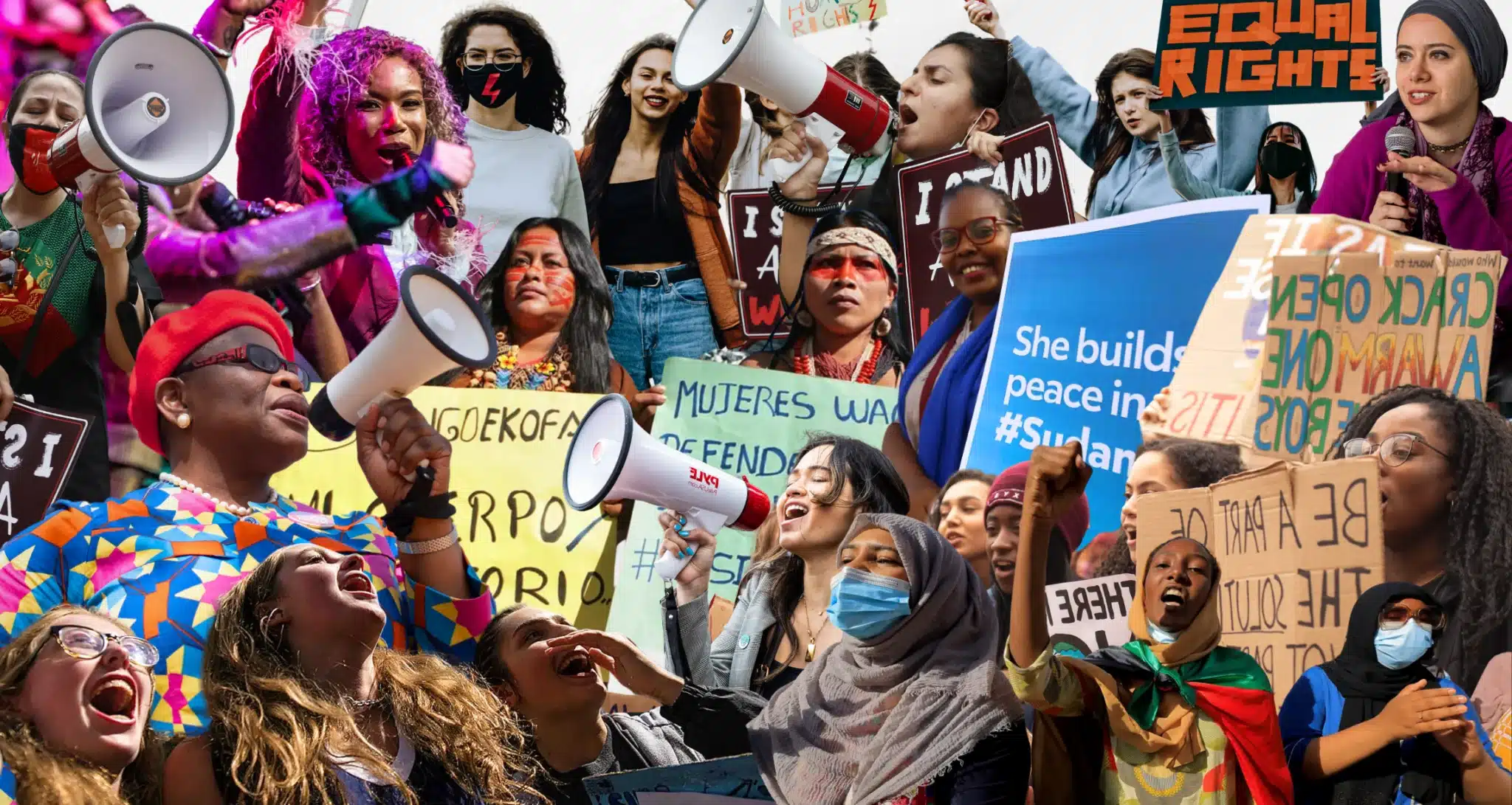
16 Days of Activism is an annual global movement and campaign that runs from November 25, the International Day for the Elimination of Violence against Women, through December 10, International Human Rights Day. Vital Voices’ 2025 campaign shares stories that highlight the work of women in our network and the significance of collective action and coordination. By amplifying women’s voices, fostering collaboration among communities and providing essential resources to survivors during the 16 Days of Activism and beyond, Vital Voices contributes to creating a world where women and girls can live free from violence and discrimination.

Vital Voices 16 Story Highlights

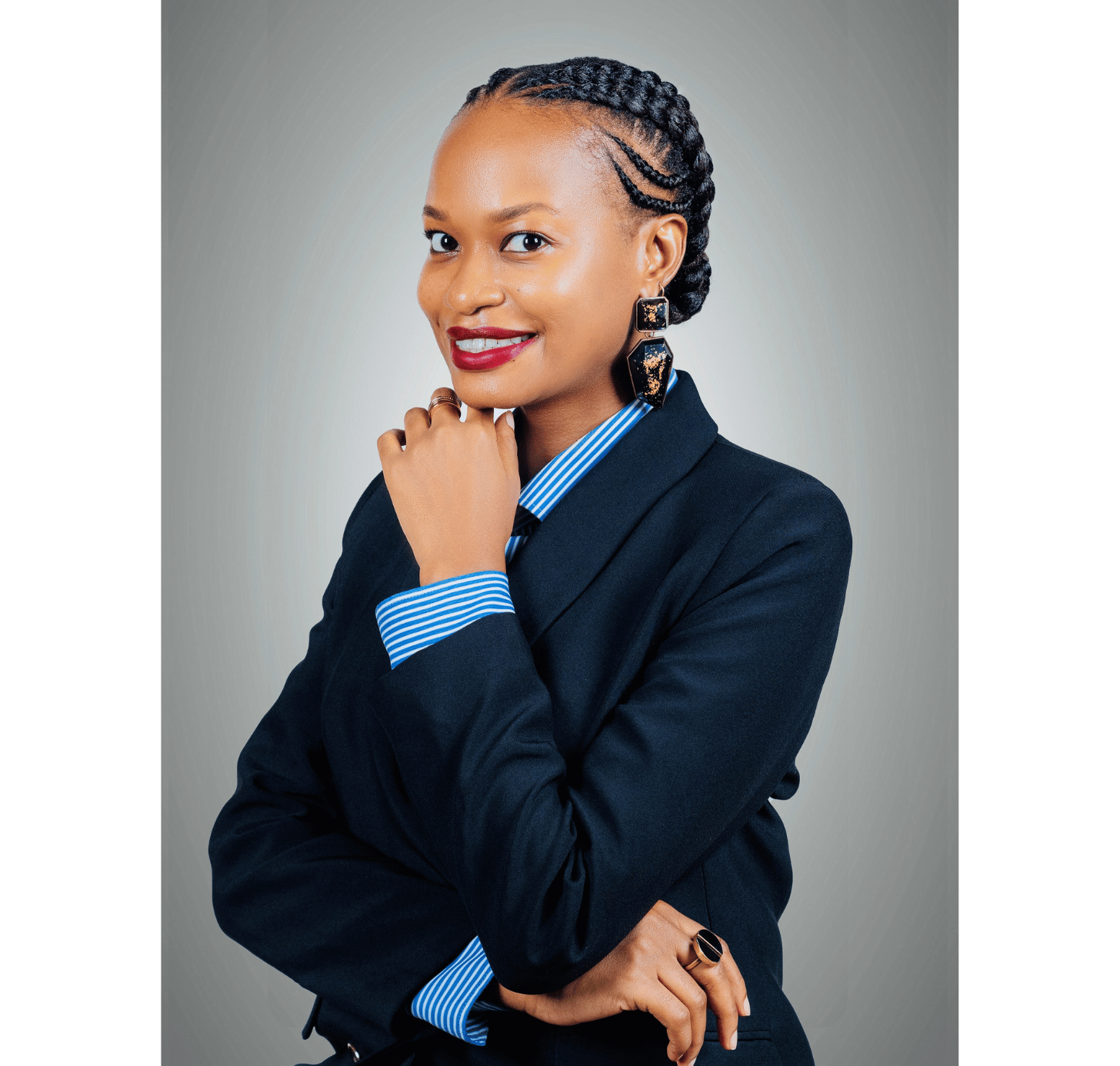
Bridgette Kyalimpa Babigumira

Bridgette Kyalimpa Babigumira

Uganda
VV Visionaries 2025

Bridgette Kyalimpa Babigumira is a feminist leader and Associate Director at AFRAD, driving awareness and advocacy campaigns on gender-based and tech-facilitated violence to advance women’s rights and safety in Uganda. Babigumira is a feminist researcher and advocate leading AFRAD, a Ugandan organization working to advance gender justice, civic engagement, and digital resilience. AFRAD strengthens feminist leadership through research, advocacy, and capacity-building, with a focus on protecting civic space and amplifying women’s voices in public life. Previously, Babigumira worked in policy research and youth engagement, and has led initiatives focused on sexual and reproductive health, digital rights, and community organizing. She currently supports regional collaborations to advance intersectional feminist advocacy in East Africa.

"I strive to turn feminist knowledge into action, raising awareness and empowering communities to challenge all forms of gender-based violence."

What does 16 Days of Activism mean to you?

A powerful call to raise awareness, amplify women’s voices, and drive collective action to end all forms of violence against women and girls.

What misconceptions around VAWG do you see in your work?
Many believe VAWG only happens in private or affects certain women, ignoring its widespread forms, including online and systemic violence.
Bisheshta Shrestha

Bisheshta Shrestha

Nepal
VV Visionaries 2023

Bisheshta Shrestha is a feminist and human rights practitioner leading Gender Equality and GBV work in South Asia. Bisheshta Shrestha is the creator of #WHYDIDN’TI? campaign, dedicated to violence survivors. Her activism began where silence once lived — transforming stories of pain into blueprints for change, and women’s voices into the pulse of justice. The campaign exposes stories of “WHY DIDN’T I?” to the public, as an opportunity to learn from one another and stand in solidarity. #WhyDidn’tI? began as a question to the world, but became an answer, that women stories are power, and their voices the revolution patriarchy never prepared for.

"#WhyDidn’tI? began as a question to the world, but became an answer — that our stories are power, and our voices the revolution patriarchy never prepared for.”

What does 16 Days of Activism mean to you?

For me the 16 Days of Activism is not just a campaign; it’s a collective call for remembrance, resistance, and reimagining violence against women and girls yesterday and today.

What misconceptions around VAWG do you see in your work?
Normalization of violence within families, friendships, and marriage. Women are accountable for the violence that persists within the community.
Nargis Nehan

Nargis Nehan

Afghanistan

For the past fifteen years, Ms. Nehan has built women’s networks across Afghanistan, training women as peacebuilders, mediators, and conflict-transformation practitioners. Through various interventions, she has mobilized religious leaders and community elders to prevent and end gender-based violence (GBV). The Women and Girls Centers she established in several provinces have become unique safe spaces where community dialogues occur, trainings are conducted, and GBV survivors can safely register their cases and seek support.

In addition to providing immediate assistance and psychosocial counseling, these centers actively follow up on cases by engaging with families and working through the Conflict Resolution Committees and Grandmothers’ Groups that Ms. Nehan created. Together, they help resolve disputes and support survivors through culturally grounded, community-based mechanisms. Alongside direct support to survivors, Ms. Nehan consistently advocates for accountability from the Taliban regime, which has institutionalized discrimination by stripping women of their basic human rights, shutting down key public institutions such as the Ministry of Women’s Affairs and the Human Rights Commission, and dehumanizing women, actions that have led to a sharp rise in GBV and near total impunity across Afghanistan.

"My journey is about turning pain into purpose, from losing everything under the Taliban to keeping hope alive for Afghan women and fighting for their freedom and dignity.”

What does 16 Days of Activism mean to you?

These 16 days give us a chance to pause, reflect, and unite behind one message: violence against women and girls must end everywhere, for everyone.

What misconceptions around VAWG do you see in your work?
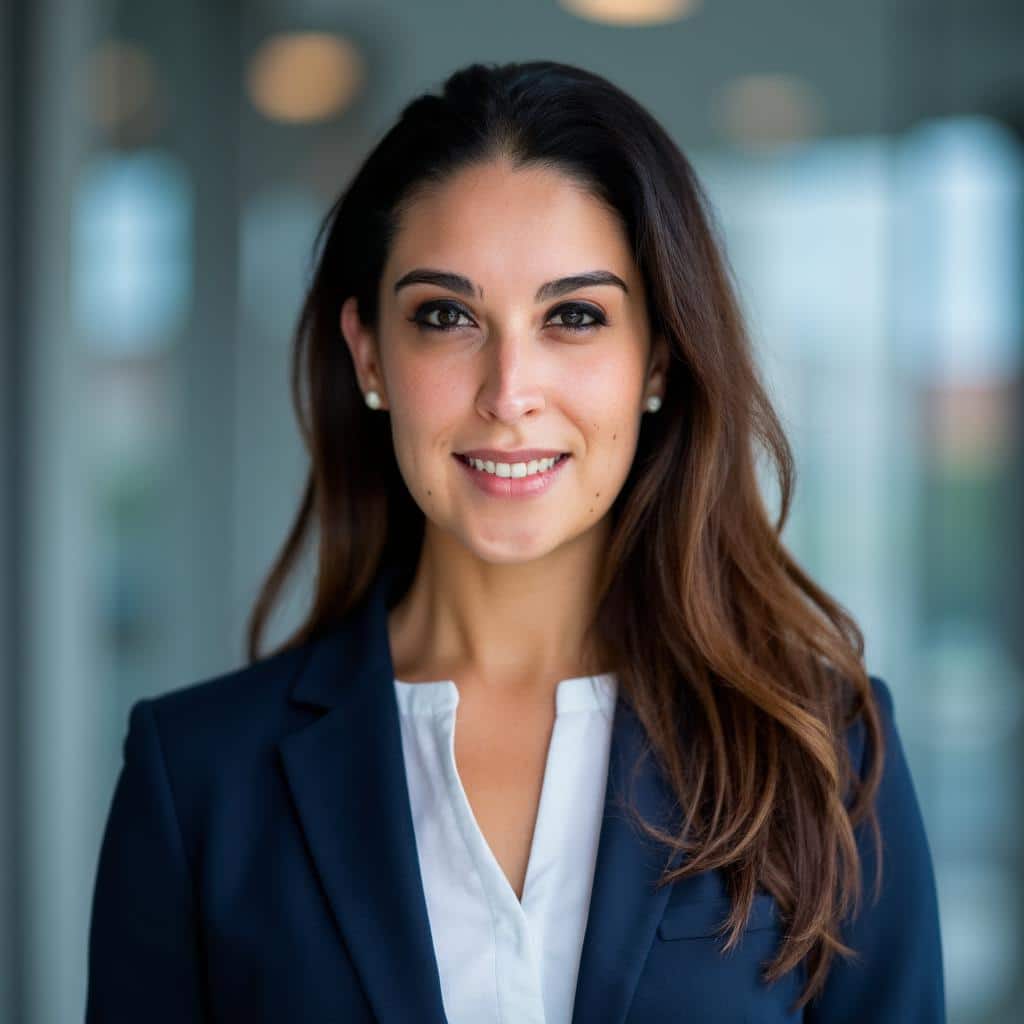
GBV is still seen as private, family matter, only physical and mostly blaming the victim. Many still do not see it as human rights violation
Veronica Flores-Desentis

Veronica Flores-Desentis

Mexico
VV Visionaries 2025

Veronica Flores-Desentis founded ÁGAPE thirteen years ago in Mexico City, an NGO dedicated to preventing human trafficking, supporting survivors, and promoting gender equality. The organization works through advocacy, education, and multi-sector alliances to create systemic change in Mexico and across Latin America. Previously, Flores Desentis represented Mexican civil society before the National Commission against Human Trafficking, collaborated with international organizations such as the UN Migration Agency, and advised on policy protocols for victim assistance in Mexico and abroad.

“I help reshape stories — turning silence into voice, and pain into purpose."

What does 16 Days of Activism mean to you?

The 16 Days spark action beyond the campaign, a reminder that ending violence demands commitment every day of the year.

What misconceptions around VAWG do you see in your work?
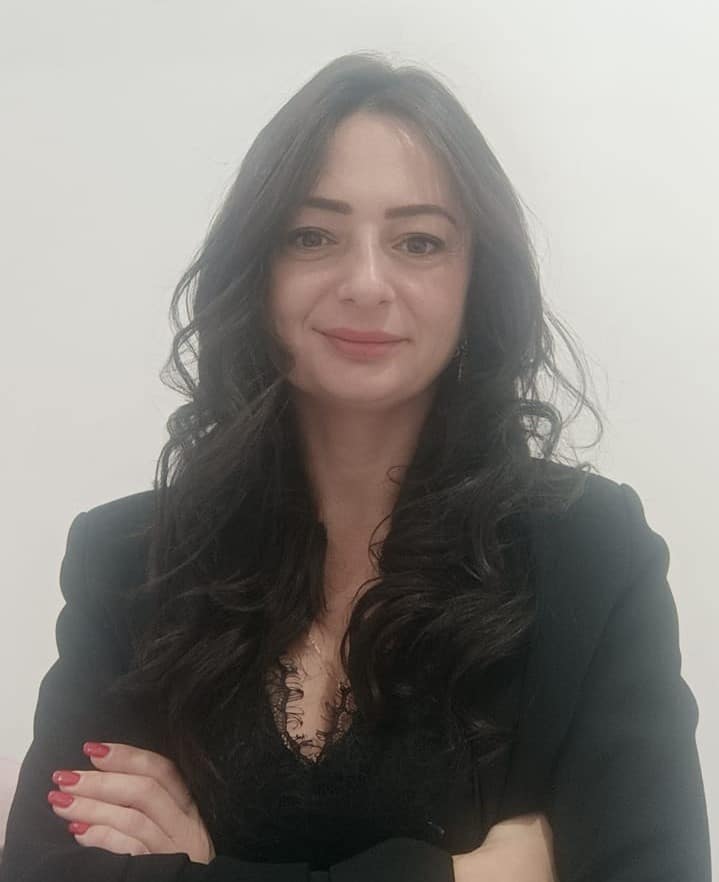
That violence is “normal” or private. Many still believe silence protects , when it only allows abuse to continue.
Adena Vangjeli

Adena Vangjeli

Albania
VV Visionaries 2023

Adena Vangjeli is a dedicated human rights advocate with over 15 years of experience in advancing gender equality, combating gender-based violence, and strengthening civil society in Albania. She currently serves as the Executive Director of the Center for Gender Justice in Albania (CGJA) where she leads strategic direction, advocacy, and partnerships to empower women and girls and promote social justice.

Adena holds a Bachelor’s degree in Law and a Master’s degree in International Relations. She has attended extensive courses at the Vienna University of Economics and Business on social innovation and management and the Women’s Human Rights Training Institute (WHRTI) in Bulgaria, from which she graduated with honors. Her areas of expertise are women’s rights, gender equality, human rights, and combating violence against women.

"All women must live a life with dignity, without discrimination and with equal opportunities.”

What does 16 Days of Activism mean to you?

It is a powerful reminder that ending violence against women and girls requires continuous commitment, courage, and collaboration across all sectors of society.

What misconceptions around VAWG do you see in your work?

A common misconception is that VAWG affects only women facing economic or social vulnerability, and not those who are empowered or well-educated.
Sophie Sandberg

Sophie Sandberg

United States
Bold Movers 2025

Sophie Sandberg is a speaker, street artist, and founder committed to combating gender-based violence on and offline. She created the popular initiative, Catcalls of NYC, which raises awareness about street harassment using colorful chalk art and digital media. Since starting Catcalls of NYC in 2016, she has reached millions of people online and inspired the youth-led movement Chalk Back, consisting of “Catcalls of” sites spanning six continents. An educator at heart, Sophie facilitates workshops and presents on topics such as gender justice, youth activism, mental health, and digital wellness at high schools and colleges across the country.

“Gender justice activism is not a solo performance, it's a chorus. Even when you need to take a breath, the music will continue. Relying on others has been essential to building a sustainable movement.”

What does 16 Days of Activism mean to you?

16 Days of Activism is a time to celebrate the work of gender justice advocates around the world, to facilitate collaborations, and to engage allies.

What misconceptions around VAWG do you see in your work?
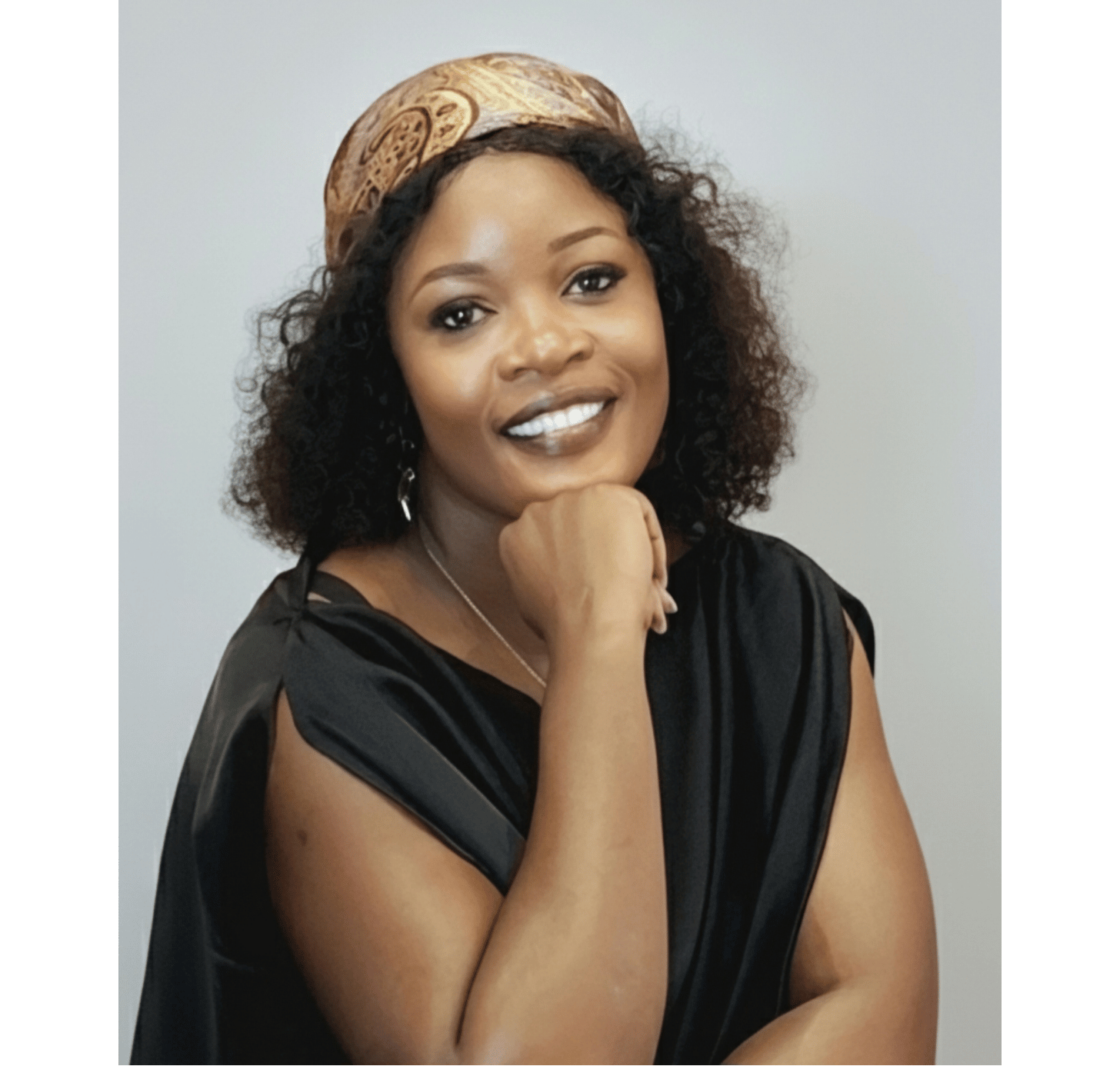
Many people downplay the impacts of VAWG. This includes survivors who have internalized the idea that the violence they face "could be worse.
Precious Kiwiti

Precious Kiwiti

Zimbabwe
VV Visionaries 2025

Precious Kiwiti is the Founder of Precious Hearts Haven, now renamed to W.A.V.E. (Women Against Violence and Exploitation), based in Zvimba, Zimbabwe. WAVE creates safe spaces for women and girls in rural and vulnerable communities, offering shelter, legal advice, counseling, skills training, and advocacy to help survivors of gender-based violence to rise with dignity and resilience.Precious is a visionary leader, motivational speaker, social worker, and counselor whose work is rooted in lived experience. She has mentored social change makers through the Kanthari leadership training programme, collaborated with the Ministry of Women’s Affairs in Zimbabwe, and currently serves as a social worker with The Nate Foundation, supporting patients with Fanconi Anaemia and caregivers. Her leadership is shaped by compassion, creativity, and deep commitment to justice and healing.

"'You may have to fight a battle more than once to win it.'
by Margaret Thatcher. Being a VAWG survivor and advocate at the same time it's like fighting the battle twice. We will win.”

What does 16 Days of Activism mean to you?

The 16 Days is a critical call for action. We use this time to amplify survivor voices and renew our vow of sustained support and empowerment.

What misconceptions around VAWG do you see in your work?
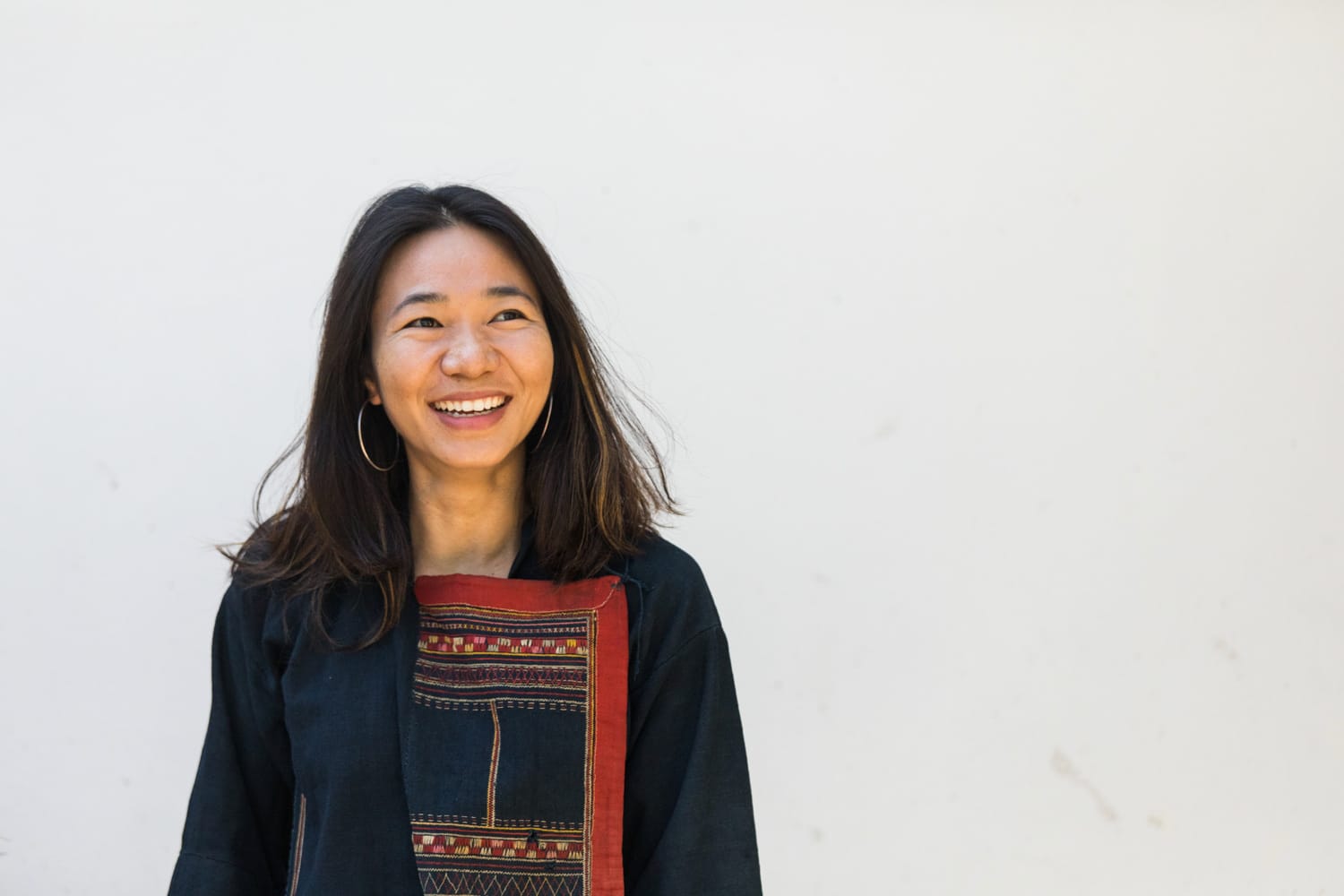
That having financial independence gives one immunity to VAWG. No...Leaving isn't about strength, but about safety and systemic support.
Watcharapon Kukaewkasem

Watcharapon Kukaewkasem

Thailand
VV Visionaries 2022

Watcharapon Kukaewkasem (Sia) is an advocate, social worker, and survivor of domestic violence from the Akha ethnic community in Thailand. She founded the Freedom Restoration Project (FRP) to support migrant women and children facing high-risk situations and gender-based violence. Through FRP, Sia works to transform fear into safety, helplessness into strength, and isolation into hope—empowering survivors to reclaim their voice, their story, and their future. Her mission is to end gender-based violence and ensure every survivor has access to safety, dignity, and healing.

"I commit to turning fear into safety, helplessness into strength, and isolation into hope, creating spaces where people find courage, reclaim their power, and know they are not alone."

What does 16 Days of Activism mean to you?

The 16 Days reminds me of why I do what I do. It's a time to pause, reflect and stand with those who are still searching for their voices.

What misconceptions around VAWG do you see in your work?
A lot of people view intimate partner violence as a private family matter, and outsiders should not intervene.
Tania Naanous Rayek

Tania Naanous Rayek

Mexico
VV Visionaries 2024

Tania Naanous is the Executive Director of Lentes Púrpura, an organization dedicated to preventing and addressing gender-based violence through awareness-raising, survivor support, and gender perspective training for companies and organizations. Her mission is to create safer environments by building holistic and sustainable projects aimed at eradicating gender violence and promoting inclusivity across diverse communities. Naanous has led research, diagnostics, and training sessions across public, private, and social sectors. She has facilitated healing circles for survivors of gender violence and implemented gender protocols.

"“Justice isn’t only about punishment; it’s about restoration. My journey in VAWG work is about turning awareness into action and systemic prevention.”

What does 16 Days of Activism mean to you?

16 days to remember what women live every day in a country where being a woman is an act of courage, resilience, and survival.

What misconceptions around VAWG do you see in your work?
Harsher punishment won’t end the GBV. Lasting change begins by transforming mindsets, relationships, and the social norms that sustain violence.
Salvation Aworanti

Salvation Aworanti

Nigeria
VV Visionaries 2025

Salvation Aworanti is a Gender advocate and founder of Voices Against Rape and Sexual Harassment (VARSH) Foundation, reaching 100,000 people across 49 communities in 14 Nigerian states. Through 7 campus clubs, she empowers youths to fight sexual and gender-based violence and promote equality. As the Founder and team lead of Foundation, Aworanti Salvation Grace is dedicated to combating child abuse, sexual and gender-based violence, and gender discrimination through advocacy, education, support, and legal aid. Through her leadership, Salvation Grace continues to inspire a movement towards a brighter future for vulnerable populations.

With over seven years of experience in human and community development, Salvation Grace has established herself as a seasoned leader and gender expert. She has led over 35 projects to address gender-based violence and has collaborated with numerous organizations to promote the rights of women and girls.

“I survived what I thought would break me. Today, I use that pain to fight for those still silenced. Every girl, woman deserves safety, dignity, and a voice. My journey is proof that healing is possible”

What does 16 Days of Activism mean to you?

16 Days of Activism means days of rage standing fearlessly for justice, amplifying voices, and demanding a world free from gender-based violence.

What misconceptions around VAWG do you see in your work?
People often think VAWG only means physical abuse, overlooking emotional, sexual, and economic violence that deeply harm survivors.
Ciji Wagner

Ciji Wagner

United States
VV Visionaries 2023

Ciji Wagner is the founder of Louder Than Silence (LTS), a nonprofit that gives long-term care for survivors of sexual violence by providing the community and resources needed to experience hope and healing. Through EMDR (trauma) therapy, workshops, retreats, mentorships, self-care kits, and community support, all offered at no cost to participants, LTS helps empower survivors to rebuild themselves and their lives.

Wagner earned a degree from the Culinary Institute of America and worked a number of jobs in the restaurant industry before entering the nonprofit sector as an executive chef. Since that pivot, Wagner has utilized her expertise learned from managing for-profit businesses to benefit several nonprofits in a variety of volunteer and consulting roles, as well as launching LTS.

“We have seen hope found, lives restored, and joy regained by survivors doing this work. It is all built on the foundation that survivors have already paid enough, and community is the antidote.”

What does 16 Days of Activism mean to you?

16 Days of Activism is a chance to shine a light on VAWG, protect potential victims, and help survivors heal. It stands for hope, peace, and life.

What misconceptions around VAWG do you see in your work?
One misconception is the assumption that only strangers perpetrate VAWG, when it’s most frequently caused by people the victim already knows.
Nitisha Pandey

Nitisha Pandey

India

Nitisha is the Founder of Femfuture Collective, a nonprofit that is transforming adolescent health to unlock agency, gender equality, and a future free from intergenerational poverty. She believes that all women, girls, and gender diverse people deserve to lead healthy, happy, and dignified lives. The programs focus on nurturing grassroots leadership to impact the lives and bodies of young people from an intersectional lens of gender and climate action. Our work connects GBV as a public health issue, because it restricts the ability of women and girls to access safe, relevant, and correct information, affordable healthcare products and services and increases their vulnerability. Nitisha is a trained menstrual health educator and sustainability advocate and has facilitated trainings on sustainable menstruation and sexual and gender sensitization with young people across India.

"Never doubt that a small group of thoughtful, committed citizens can change the world; indeed, it’s the only thing that ever has." ~ Margaret Mead”

What does 16 Days of Activism mean to you?

It is an opportunity to build solidarity with local partners and drive urgency on the issue of menstrual and reproductive violence in our communities.

What misconceptions around VAWG do you see in your work?
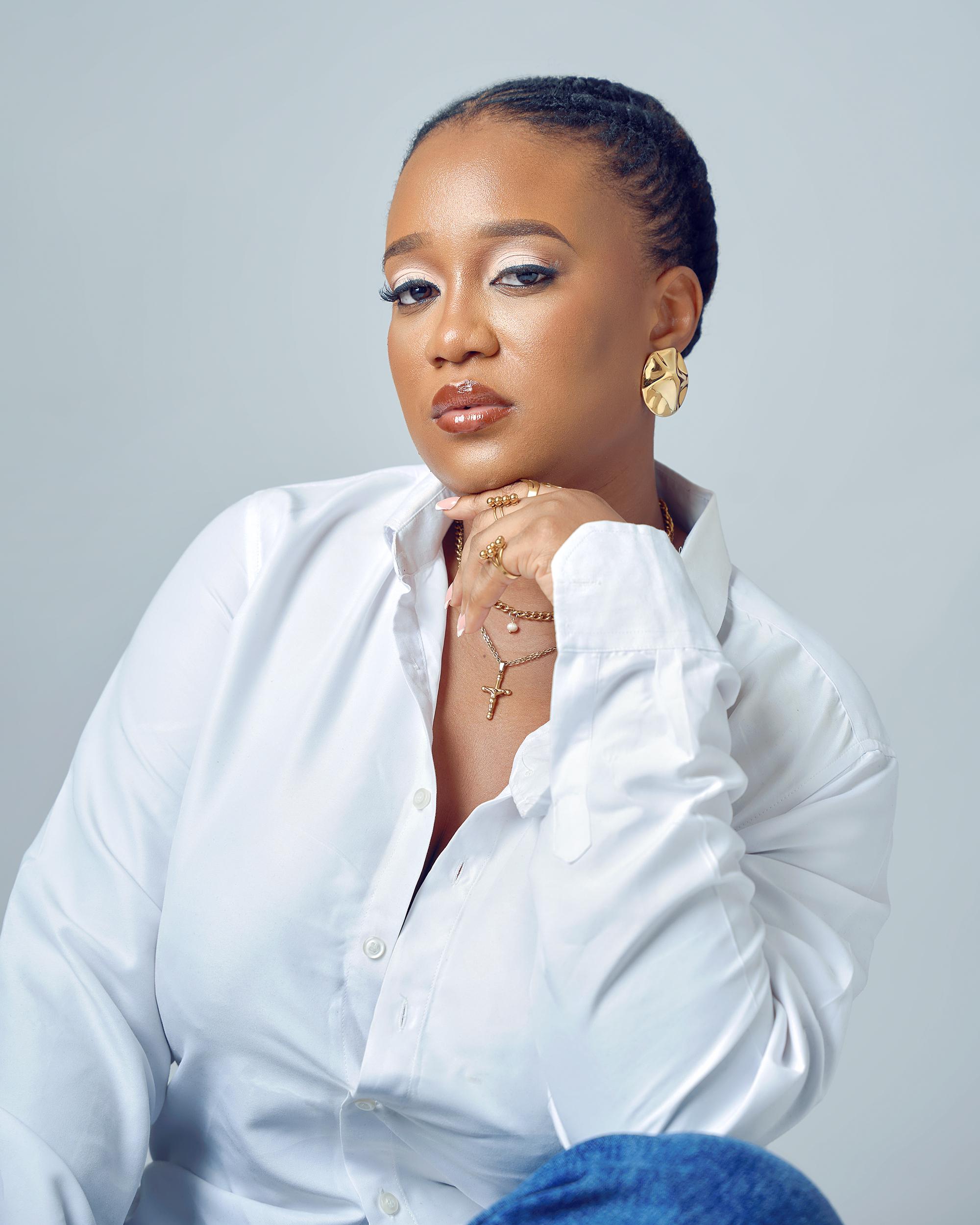
- GBV is a private/personal issue for women. - Infringement on reproductive freedom is not a form of gender violence. - GBV is physical in nature.
Lucy Ezemba

Lucy Ezemba

Nigeria
VV Visionaries 2025

Lucy Ezemba is the Founder of Safera, a secure web platform that provides trauma-informed support through its AI chatbot, helping survivors of technology-facilitated gender-based violence and connecting them to trusted resources. Its mission is to make digital spaces safer for African women. Lucy is also a project manager with experience designing and leading civic tech, digital rights, digital surveillance, internet freedom, and advocacy programmes across Africa. She continues to champion gender justice and digital inclusion.

“I build a space where women feel safe to speak, heal, and be heard, because safety is not a privilege, it’s a right every woman deserves, online and offline.”

What does 16 Days of Activism mean to you?

It’s a powerful reminder to challenge all forms of inequality, and to stand together for justice, safety, and human rights for all.

What misconceptions around VAWG do you see in your work?
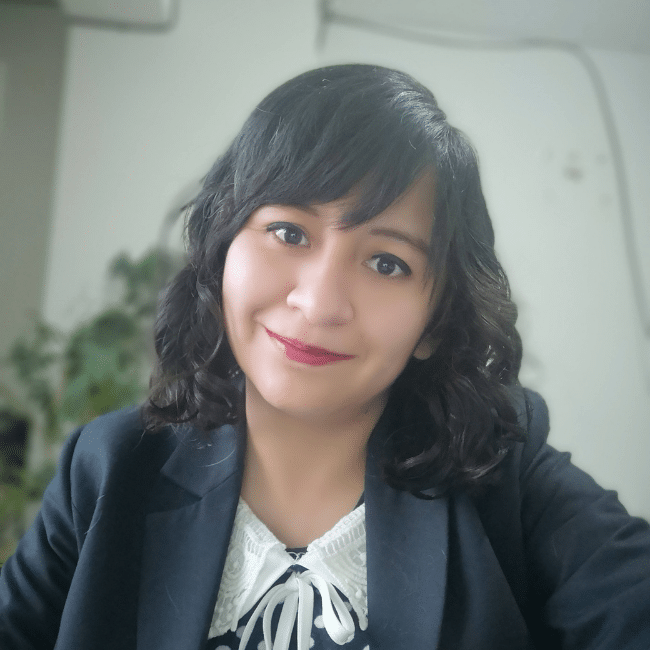
Many still see VAWG as only physical, ignore online abuse, or blame survivors instead of holding perpetrators accountable.
Hilda Joanna Terán Romero

Hilda Joanna Terán Romero

Peru
VV Visionaries 2024

Quechua woman from Puno, clinical community psychologist, president of Colectivo Kuska, an organization formed by Quechua and Aymara women, professionals in mental health, communication, and education, dedicated to the defense of human rights and direct action to transform structures of exclusion through an anticolonial, antiracist, and antipatriarchal approach. The collective articulates community and critical mental health, activism, alternative communication, popular education, community interventions, and research to advance the Buen Vivir and dignity of historically oppressed. With over 10 years of experience working in communities affected by GBV, racist and state violence, her mission is, together with the people, to open and strengthen collective pathways of organization and leadership that can transform Perú and the world toward a future where the people and especially Indigenous peoples are sovereign, and live with rights and Buen Vivir.

"Peru is diverse not only in culture, but also in its forms of oppression; Quechua and Aymara women have the right to decide and to be a real part of building the society and country we envision."

What does 16 Days of Activism mean to you?

It is an opportunity to clarify that VAWG intersects with racist and colonial violence, requiring a structural change from an intersectional approach.

What misconceptions around GBV do you see in your work?
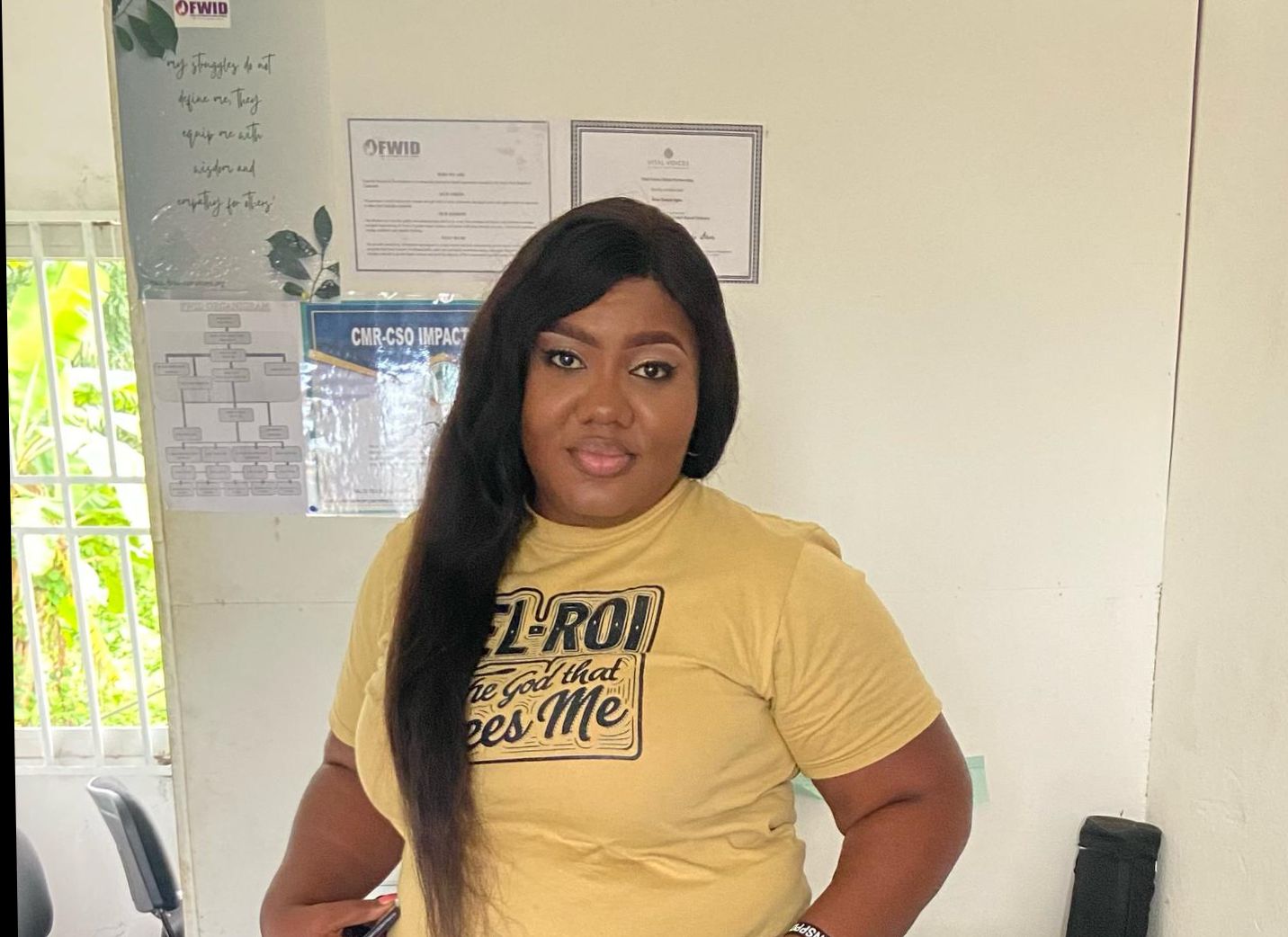
That violence against women and girls affects everyone in the same way, when factors such as race, class, poverty, age, education, etc., make all the difference.
Rose Sanjoh Egbe

Rose Sanjoh Egbe

Cameroon
VV Visionaries 2025

Rose is the Executive Director for Fund for Women in Development a women-led organization in the South-West region of Cameroon. Her mission is to offer compassionate services in a way that promotes self-dignity and freedom in women and girls experiencing all forms of gender-based violence, human trafficking and mental health struggles through advocacy, community awareness raising campaigns, coalitions and capacity building. They offer case management and support survivor, training, and support to over 200 women and girls, fostering resilience and change.S he has embarked on creating community centers where women and girls can access services such as counseling, information and support for women and girls experiencing gender-based violence, human trafficking and mental health struggles, develop programs that boost women’s livelihood skills empowering them and helping reduce societal inequality.

“We rise by raising others”

What does 16 Days of Activism mean to you?

It symbolizes awareness and a joint commitment to support survivors and challenge harmful norms, fostering respect and equality for all.

What misconceptions around VAWG do you see in your work?
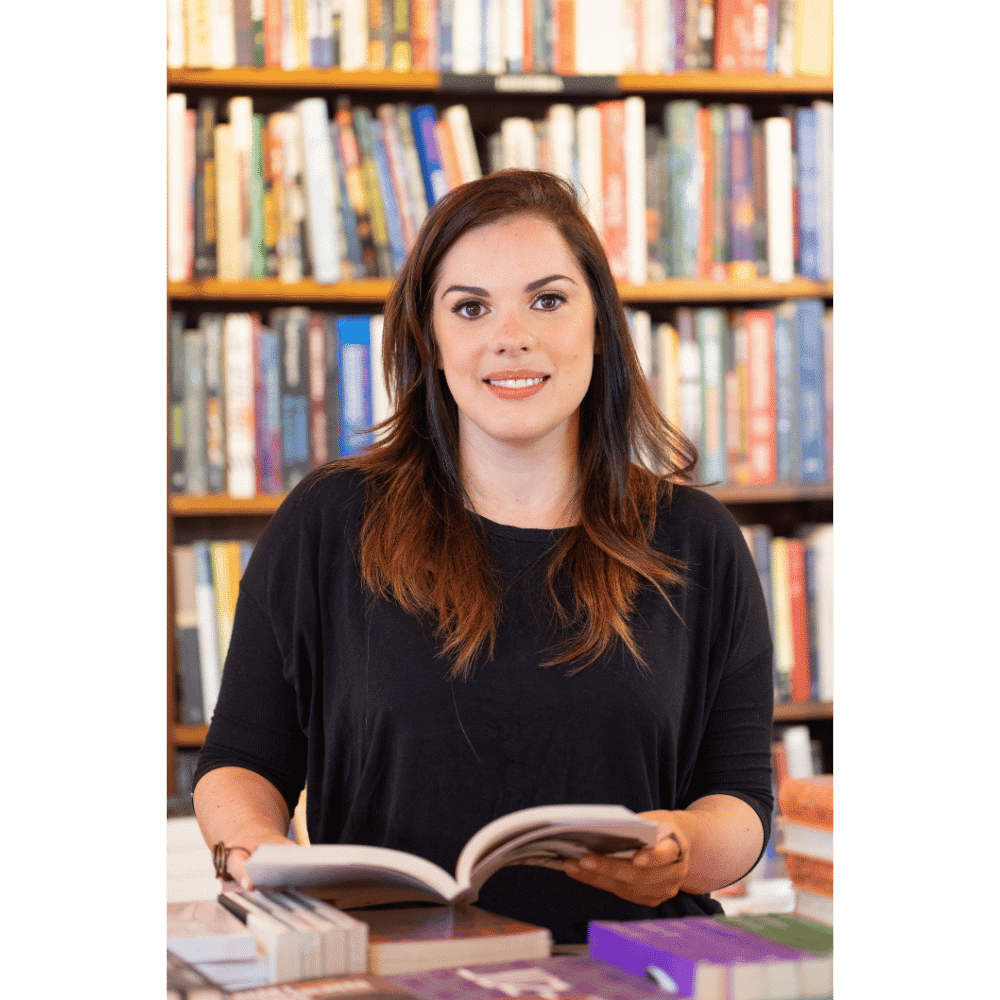
They include viewing GBV as a women's issue, doubting male victimhood, is untrue if a victim disclose rape and believing survivors provoke violence.
Beatriz Accioly

Beatriz Accioly

Brazil
VV Partner

Brazilian anthropologist with a Master’s and PhD in Social Anthropology from the University of São Paulo. A public policy strategist and a leading voice on gender-based violence, she works at the intersection of research, justice, and institutional response. With over 15 years of experience, her career spans academia, high-impact nonprofits, government, and the corporate sector, where she develops integrated responses to gender-based violence and strengthens public systems at scale.

She is currently Head of Public Policies for Women. Author of Precisamos falar de consentimento (We Need to Talk About Consent), a widely read book that reframes sexual violence through clarity, evidence, and public understanding, among other publications.

"Awareness is the starting line, not the finish. My work is moving past conversations to design and implement structural solutions—like Alagoas Lilás—that guarantee systemic change and protection."

What does 16 Days of Activism mean to you?

A critical global call that freedom from gender violence is a core human right. Time for intense advocacy to move from awareness to structural action.

What misconceptions around VAWG do you see in your work?

That is a private, isolated incident. It's a structural failure that demands permanent and integrated actions, not just awareness campaigns.

Get Involved: Attend Vital Voices Events and Use the Media Toolkit

Welcome to Vital Voices’ 16 Days of Activism event series, exploring the issue of Digital Violence Against Women and Girls. This series shines a spotlight on advocates who are championing solutions to support survivors and drive meaningful change.
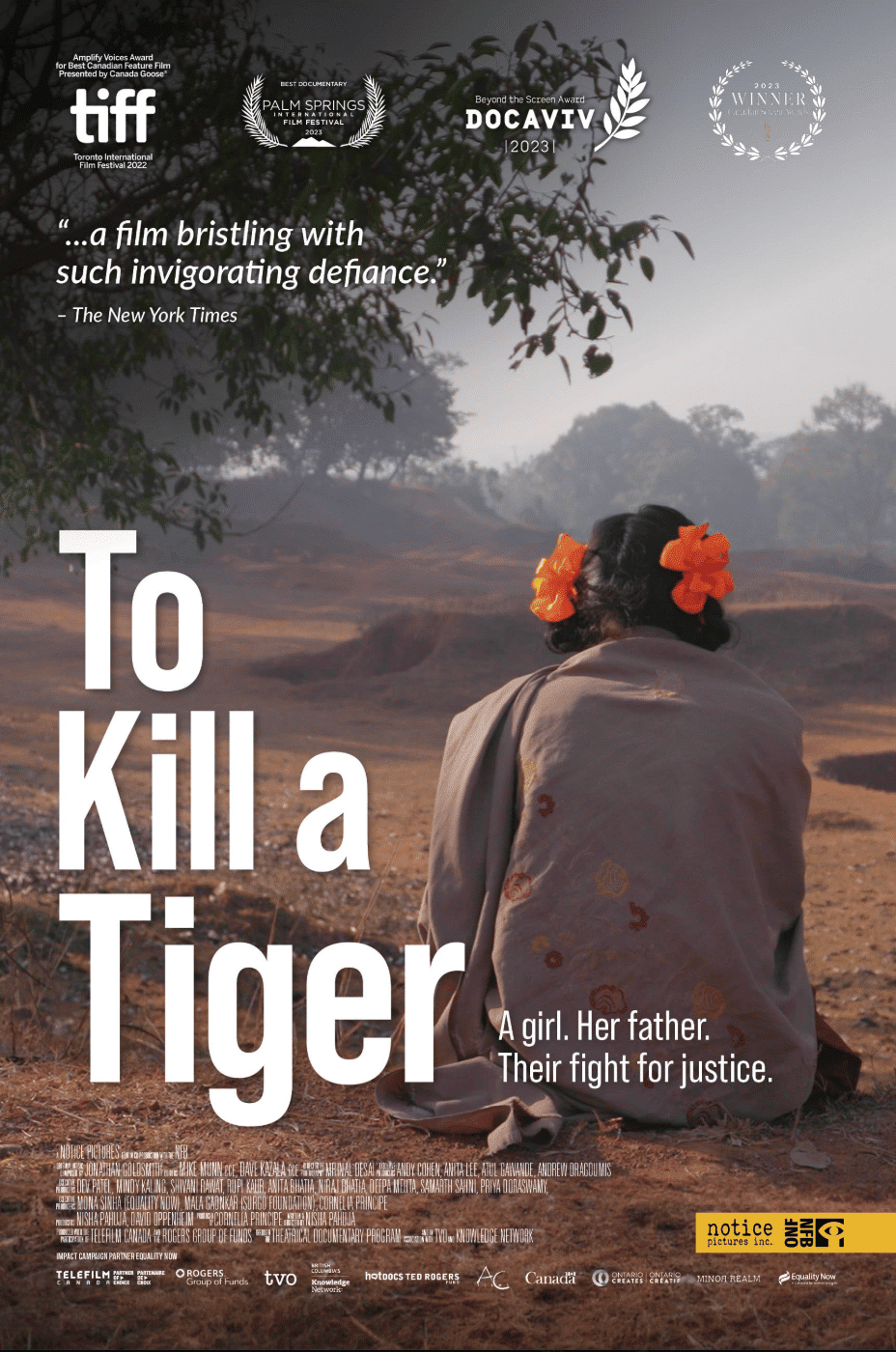
Dec 10 In Person Film Screening and Panel: To Kill a Tiger by Dir. Nisha Pahuja

Dec 10 In Person Film Screening and Panel: To Kill a Tiger by Dir. Nisha Pahuja

In To Kill a Tiger, Ranjit, a farmer in Jharkhand, India, takes on the fight of his life when he demands justice for his 13-year-old daughter, the survivor of sexual assault. Ranjit’s decision to support his daughter is virtually unheard of, and his journey unprecedented. Their story of courage and resilience has the power to inspire people around the world to work for a future free of gender-based violence (GBV).

Join us at the Vital Voices Global Headquarters for an in-person film screening and panel, featuring Oscar-nominated Director Nisha Pahuja and Alyse Nelson the President and CEO of Vital Voices.
Media Toolkit: Amplify Advocacy in the Fight Against Violence Against Women and Girls
Media Toolkit: Amplify Advocacy in the Fight Against Violence Against Women and Girls

Join Vital Voices to amplify the impact of the campaign to end Digital Violence Against All Women and Girls. Read through to explore ideas to post about the campaign on your social media and how to get your friends involved!

Vital Voices Crisis Readiness Guidebook and Toolkits

Vital Voices Crisis Readiness Guidebook and Toolkits

Vital Voices’ Crisis Team has created a selection of toolkits and safety plans as part of their Crisis Readiness Program. The Crisis Readiness Program equips women leaders with the skills to protect themselves, their organizations, and their communities in times of crisis. The Crisis Readiness Guidebook and Toolkits linked here offer essential strategies for navigating risks, along with clear checklists to help women prepare for, respond to, and recover from safety crises.

For questions or more information, please contact crisis@vitalvoices.org with the subject line “Readiness 2025.”
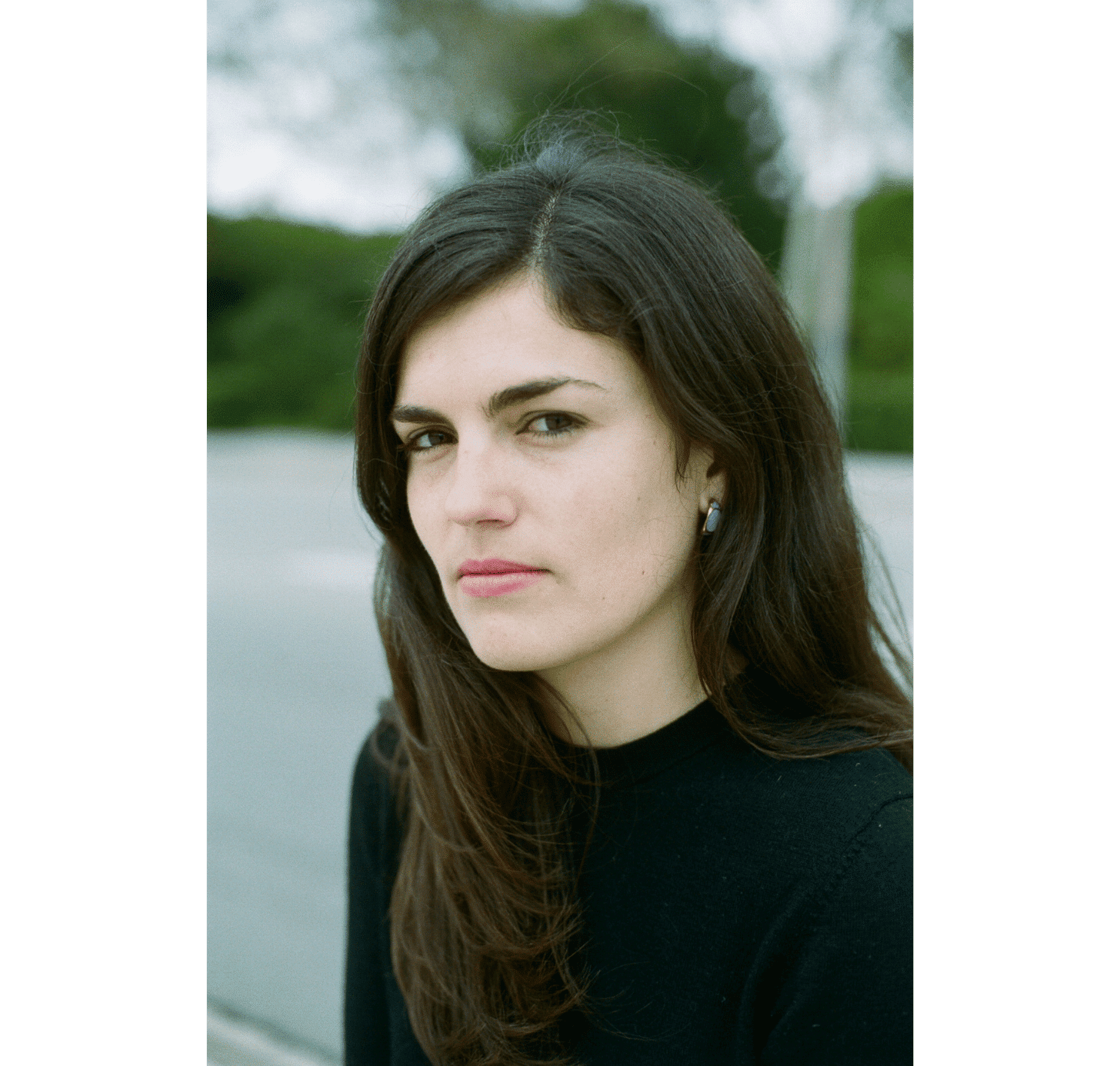
Workshop Session: Build Your Own Sextortion Diary with Dir. Patricia Franquesa

Workshop Session: Build Your Own Sextortion Diary with Dir. Patricia Franquesa

Let's explore how documentary tools can expose, document and resist digital violence. Participants investigate local cases of sextortion and online abuse, learn safe ways to collect and preserve digital evidence, record short interviews and screen captures with the phone, and collaborate to edit a 5-minute video that communicates their findings. The session balances practical skills with ethics, privacy and survivor-centered support.

Reach out to Patricia Franquesa to book your workshop session at the link below.
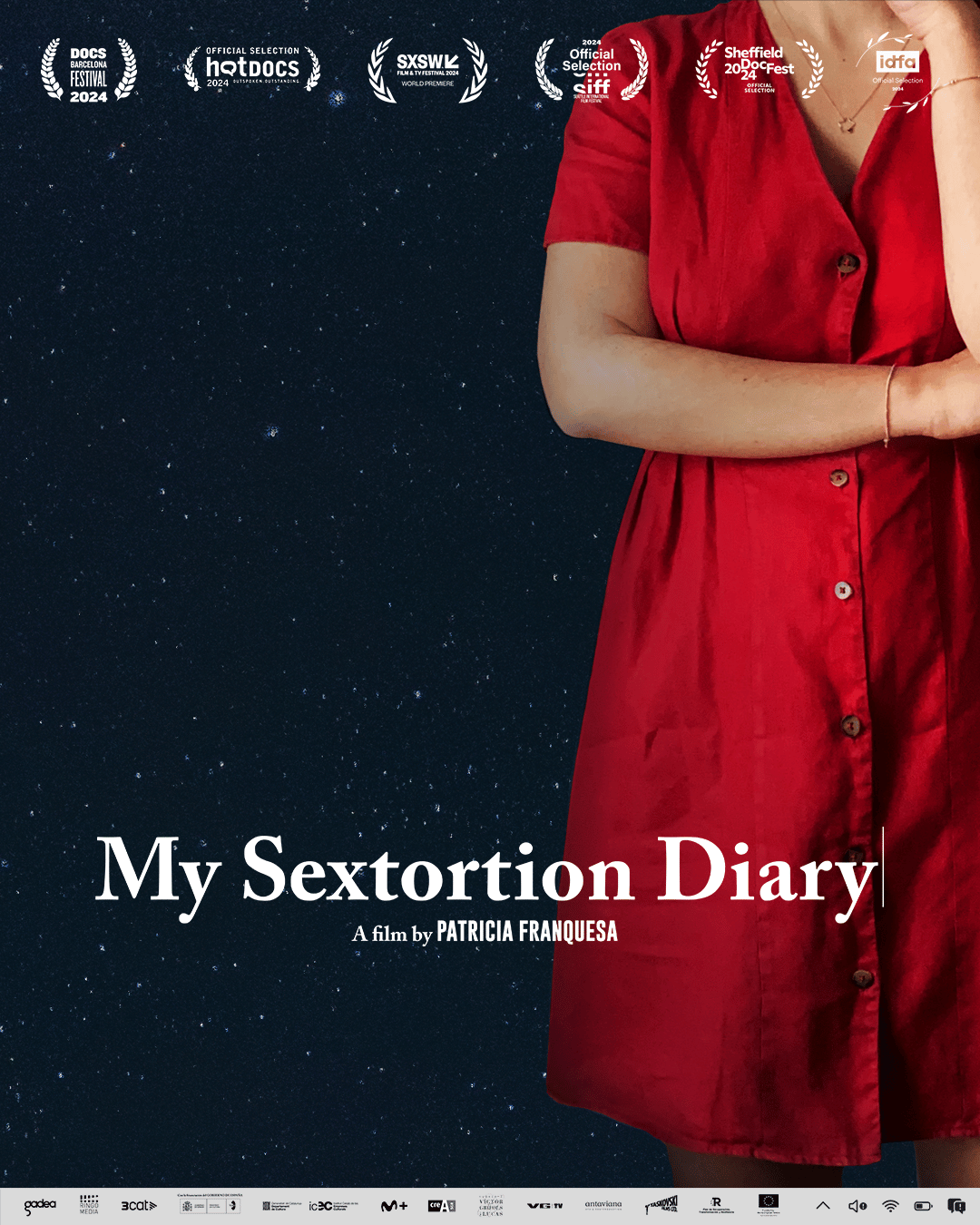
Dec 1 Online Film Screening and Panel: My Sextortion Diary by Dir. Patricia Franquesa

Dec 1 Online Film Screening and Panel: My Sextortion Diary by Dir. Patricia Franquesa

Join Vital Voices and Women Make Movies on Dec 1 for an Online Film Screening of "My Sextortion Diary" and Panel with Director Pati Franquesa. RSVP for the Online Screening and Panel below.

If you are not able to make the screening, you can also watch the film on the Vimeo Link below, from November 26 to Dec 3.

About the Panel: Vital Voices Global Partnership, in collaboration with Women Make Movies, and the Red Dot Foundation will present a special online screening and virtual panel discussion featuring the award-winning documentary My Sextortion Diary. Panelists include Patricia Franquesa: Director, My Sextortion Diary; Luz Patricia Mejia: Technical Secretary, Follow-Up Mechanism to the Belém do Pará Convention (MESECVI), OAS; Elsa D'Silva: Founder & CEO, Red Dot Foundation; Kendra Hodgson: Managing Director, Women Make Movies; Felicity Mulford: Specialist on Technology-Facilitated GBV.

About the Film: My Sextortion Diary offers a powerful and deeply personal exploration of sextortion, one of the most pervasive yet underreported forms of gender-based violence, told through the eyes of a survivor. The film exposes how technology and power intersect to perpetuate exploitation, while illuminating pathways toward justice, accountability, and resilience.

Types of Violence Against Women and Girls

Violence Against Women and Girls (VAWG) impacts millions globally, with one in three women experiencing physical or sexual violence in their lifetime. GBV is any harm or suffering directed at individuals based on their gender, disproportionately affecting women, girls, and marginalized communities. GBV takes various forms that deprive individuals of their human rights and dignity. Here’s a breakdown of the 16 types of GBV.

Digital Violence

Technology-facilitated GBV (TFGBV) – often referred to as cyber violence or online abuse – refers to harmful acts directed at women and girls through digital platforms, including harassment, stalking, and the dissemination of threatening or abusive content. This form of violence can have profound emotional and psychological effects, exacerbating feelings of fear and isolation, and often limits their ability to engage freely and safely in online spaces. For 2025, UN Women is focusing on raising awareness around digital gender-based violence as part of its UNiTE campaign. Click here to learn more.

Physical Violence

Physical violence refers to the intentional use of force against an individual, causing injury or harm. This form of violence disproportionately affects women and girls, often manifesting in domestic abuse, sexual assault, and other harmful acts, leading to serious physical injuries and long-term psychological effects.

Sexual Violence

Physical violence refers to the intentional use of force against an individual, causing injury or harm. This form of violence disproportionately affects women and girls, often manifesting in domestic abuse, sexual assault, and other harmful acts, leading to serious physical injuries and long-term psychological effects.

Psychological / Emotional

Physical violence refers to the intentional use of force against an individual, causing injury or harm. This form of violence disproportionately affects women and girls, often manifesting in domestic abuse, sexual assault, and other harmful acts, leading to serious physical injuries and long-term psychological effects.

Physical Violence

Physical violence refers to the intentional use of force against an individual, causing injury or harm. This form of violence disproportionately affects women and girls, often manifesting in domestic abuse, sexual assault, and other harmful acts, leading to serious physical injuries and long-term psychological effects.

Human Trafficking

Human trafficking involves the exploitation of individuals through coercion, deception, or force for purposes such as forced labor, sexual exploitation, or involuntary servitude. Women and girls are disproportionately affected by trafficking, often facing severe physical and psychological harm, and it perpetuates cycles of abuse and vulnerability within communities.

Honor-Based Violence

Honor-based violence refers to acts of violence committed against individuals, often women and girls, to protect or restore the perceived honor of a family or community. This violence can take various forms, including physical abuse, forced marriage, and even murder, and is rooted in cultural beliefs about gender roles and family reputation.

Femicide

Femicide is the intentional killing of women and girls because of their gender, often rooted in systemic gender inequality and societal norms that devalue female lives. This form of violence can take many forms, including domestic violence, sexual violence, and so-called “honor killings,” and it reflects broader issues of misogyny and discrimination in society.

Intimate Partner Violence (IVP)

One of the most common forms of GBV, intimate partner violence involves violence inflicted by a current or former spouse. This abuse can be physical, emotional, psychological, sexual, or economic, and it often seeks to establish power and control over the other partner. IPV can affect anyone, regardless of age, gender, sexual orientation, or socioeconomic status, and it can have severe and lasting effects on the victims’ physical and mental well-being.

Child Marriage

Child marriage refers to the practice of marrying individuals, typically girls, before the age of 18, often without their full consent. This harmful practice can lead to a range of negative consequences, including interrupted education, increased health risks during pregnancy and childbirth, and a higher likelihood of experiencing domestic violence, ultimately limiting the opportunities and autonomy of young women.

Reproductive Coercion

Reproductive coercion refers to behaviors that interfere with an individual’s reproductive autonomy, such as sabotaging contraceptive methods or pressuring a partner to become pregnant against their wishes. This type of coercion often occurs in the context of intimate partner violence.

Stalking

Stalking is a pattern of repeated, unwanted attention and contact that causes fear or distress to the victim. This behavior can include following, monitoring, or harassing an individual, and it often escalates over time, leading to serious emotional and physical consequences for those targeted.

Sexual Harassment

Sexual harassment refers to unwelcome and inappropriate sexual advances, comments, or behaviors that create a hostile or intimidating environment. This harmful behavior can lead to significant emotional distress, decreased confidence, and barriers to participation in education and the workplace, ultimately undermining the safety and autonomy of women and girls.

Female Genital Mutilation (FGM)

FGM/C, also known as female circumcision, is the practice in which a female is subjected to a procedure involving partial or total removal of the external female genitalia or other injury to the female genital organs for nonmedical reasons, whether committed within or outside of a medical institution. FGM is a part of the coming-of-age ritual for women in some cultures, but it is performed on girls of all ages, from infants to adults.

Sexual Exploitation

Sexual exploitation involves exploiting individuals, often through coercion or manipulation, to engage in sexual activities for financial or personal gain. This form of violence primarily impacts women and girls, resulting in significant physical and emotional harm, while also reinforcing cycles of abuse, poverty, and societal stigma.

Forced Prostitution

Forced prostitution involves compelling an individual to engage in commercial sexual activities against their will, often through coercion, manipulation, or violence. This form of exploitation is a severe violation of human rights and is closely linked to human trafficking and other forms of gender-based violence.

Join the Fight to End Digital Violence Against Women and Girls