Skip to Content Skip to Navigation
16 Days of Activism Against Gender-
Based Violence

16 Days of Activism Against Gender-
Based Violence

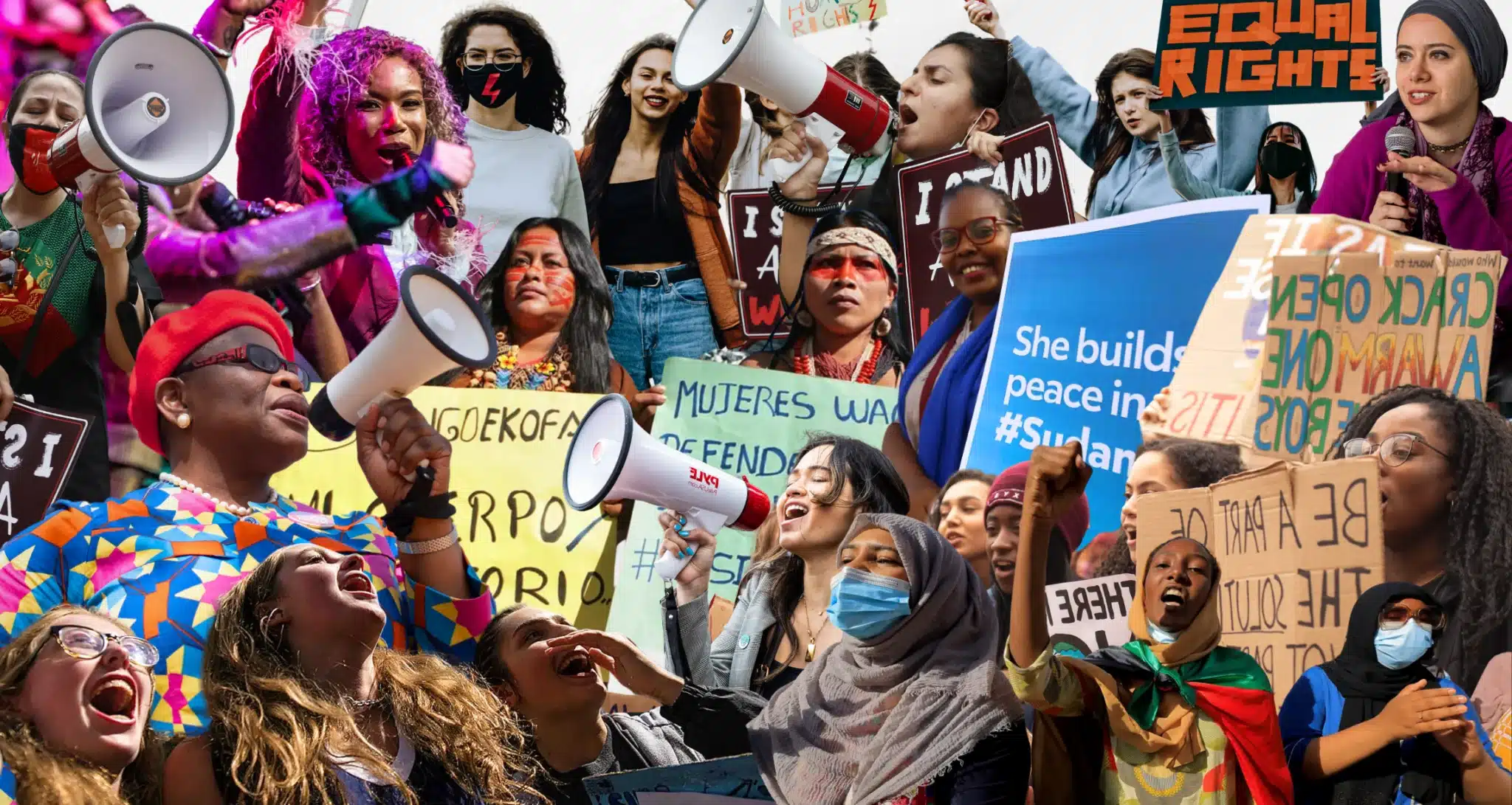
The 16 Days of Activism against gender-based violence (GBV) is an annual global movement and campaign that runs from the International Day for the Elimination of Violence against Women, on November 25 through December 10, Human Rights Day. Vital Voices’ 2024 Campaign will build on creating spaces to highlight the work of the women in our network while simultaneously highlighting the significance of coordination and collective action – the need to #Unite, the need for the power of many to end GBV. By amplifying women’s voices, fostering collaboration, and providing essential resources, Vital Voices contributes to creating a world where women and girls can live free from violence and discrimination

Vital Voices 16 Story Highlights

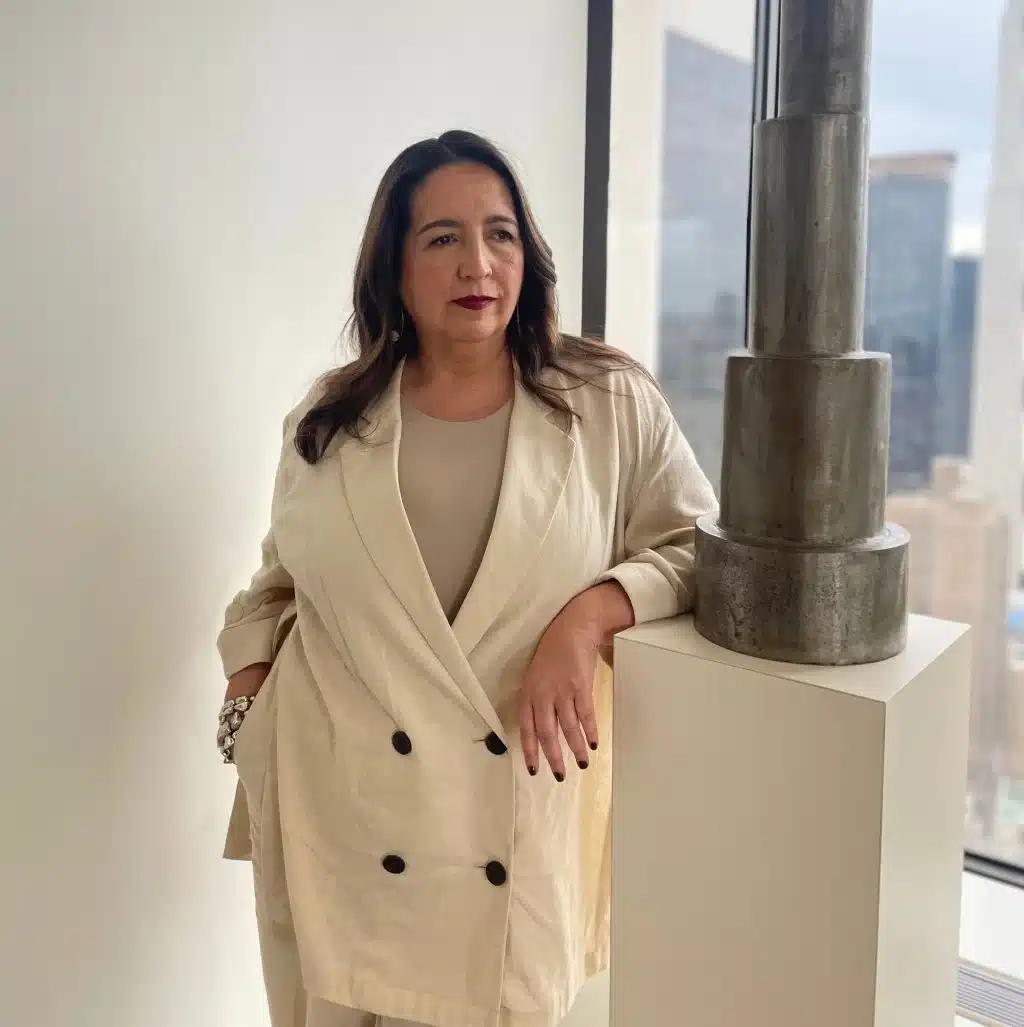
Maria Consuelo Hermosillo Gonzalez

Maria Consuelo Hermosillo Gonzalez

Chile
VAV Fellowship 2021-2022

Fundacion Antonia is a Chilean organization dedicated to combatting violence within intimate partner relationships. Established following the death of Antonia Garros, the foundation provides resources, legal advocacy, and public education to support survivors and promote systematic changes against domestic violence in Chile.

Maria Consuelo Hermosillo Gonzalez is the founder and director of Fundación Antonia. For the past four years, she has dedicated herself to supporting survivors of domestic violence through therapeutic intervention and prevention programs. She has conducted extensive outreach, interviewing hundreds of individuals, including children and young adults, to raise awareness about intimate partner violence and its harmful effects. As a representative of Fundación Antonia, she actively participates in the Network of Teams to Prevent Suicide, collaborating with other organizations to promote mental health and well-being.

What does 16 Days of Activism mean to you?

❛❛ I view this as an opportunity to highlight a structural issue that impacts our society globally. It allows us to propose various actions aimed at eradicating gender-based violence (GBV) and enables civil society organizations to unite in implementing different public policies in our countries.❜❜

What misconceptions around GBV do you see in your work?
❛❛ I believe there are many misconceptions about gender-based violence. First, many think that gender-based violence only occurs in specific contexts, particularly among individuals with low resources or limited education, and that it should remain a private matter in which society should not intervene. Second, there is a tendency to blame victims and expect them to take action to stop the violence, even when they clearly lack the capacity to do so. Finally, there’s a belief that physical violence is more severe than psychological violence; however, psychological violence is often the root of all types of violence, and its effects can be irreparable.❜❜
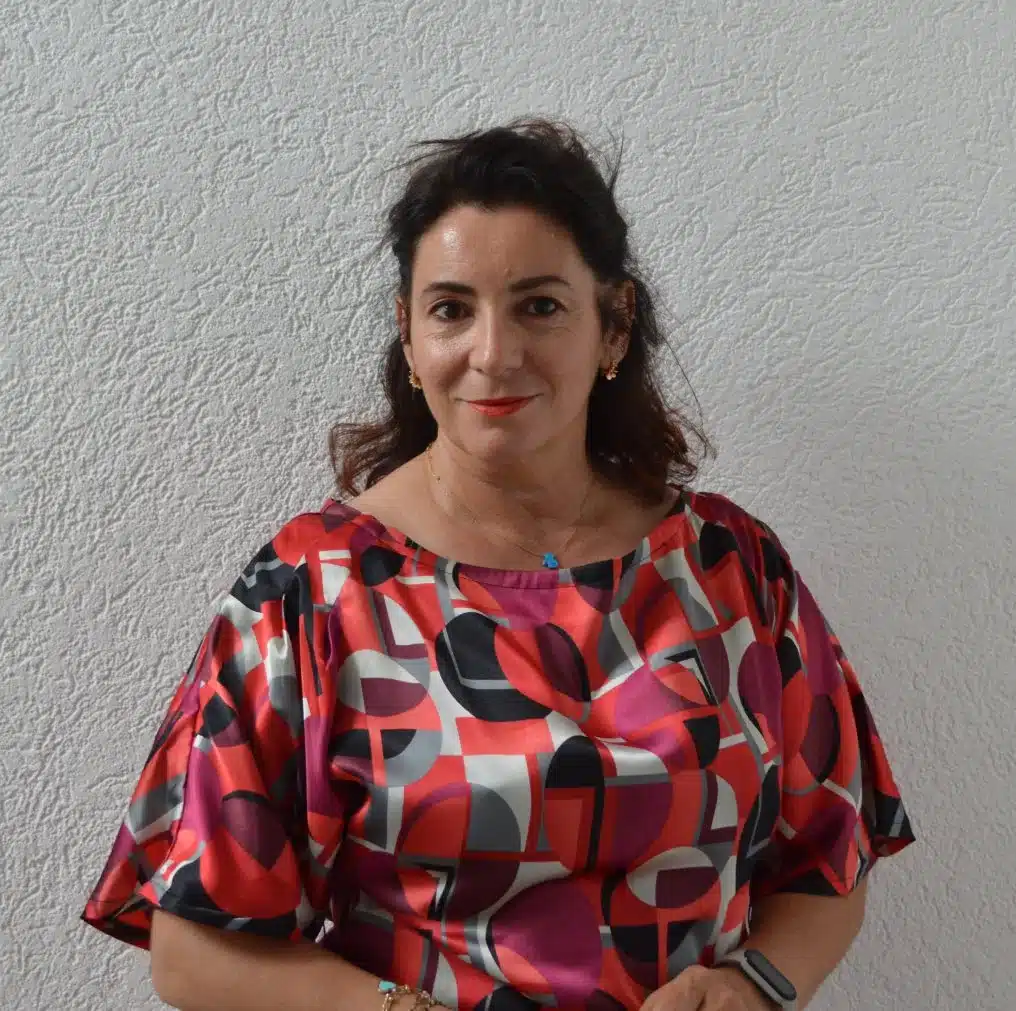
Ardita Ramizi Bala

Ardita Ramizi Bala

Kosovo
VV Peace

The Women Wellness Center is a nonprofit organization dedicated to women’s empowerment. It offers safe spaces for survivors to share their experiences of escaping abusive relationships and provides guidance on their path to recovery.

Ardita Ramizi Bala, a dedicated advocate for women’s rights, has spent her career supporting survivors of gender-based violence in Kosovo. After the 1999 Kosovo War, she began working with the International Rescue Committee, leading workshops on post-conflict trauma and gender-based violence. To further her expertise, she pursued a 3-year training program in child and adolescent psychiatry and psychotherapy in Germany. In 2010, Ardita took on a leadership role in training programs and joined the Kosovo Women’s Network, sharing her knowledge and skills with social workers and psychologists. As the Executive Director of the Women Wellness Center, she continues to provide essential support to survivors and empower women and girls in their journey towards healing and empowerment.

What does 16 Days of Activism mean to you?

❛❛For me personally 16 Days of Activism, is raising awareness of what needs to change to prevent violence against women and girls from happening in the first place at local, national, regional levels. Speaking out against women’s rights abuses is something that I do every day at my workplace. To end violence against women, we need to challenge the attitudes that perpetuate, rationalize and normalize that violence, and deny women’s right to safety. Men are overwhelmingly the perpetrators of gender-based violence. To see violence truly eliminated, the attitudes of men need to change. During the 16 days we tell the community that violence against women is not inevitable; it is preventable.❜❜

What misconceptions around GBV do you see in your work?
❛❛In our society there is strong belief, among both women and men, that violence is acceptable, and even necessary, when used by men to discipline women for not delivering on their perceived responsibilities or when their behavior transgresses social norms. Stigma is often placed on those who have experienced violence — blaming the survivor for abuse and after marriage, women’s most important roles are to serve their husbands and his family members to have and to raise their children.❜❜
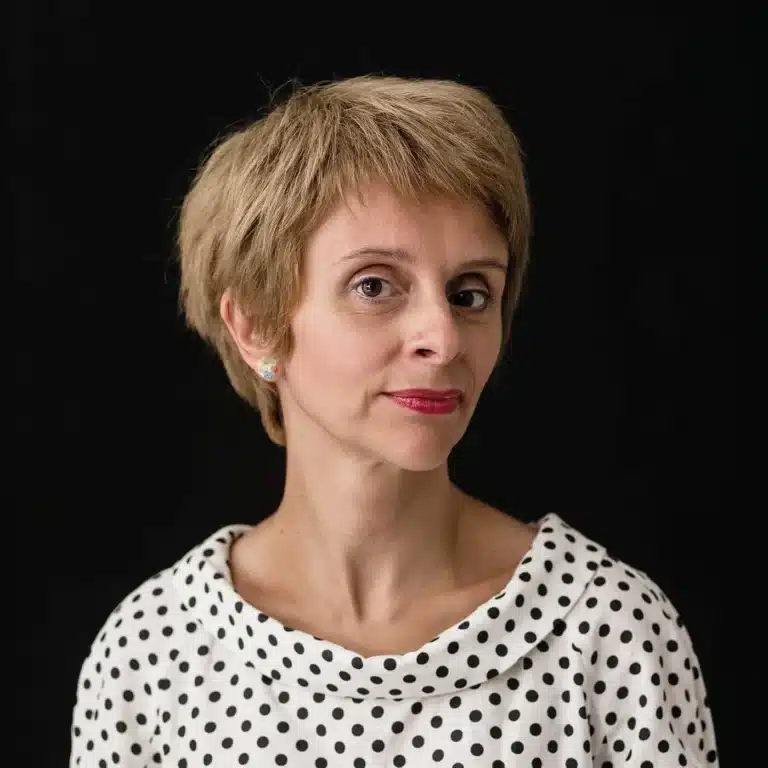
Camelia Proca

Camelia Proca

Romania
2021-2022 VAV Fellow

The Association for Liberty and Gender Equality (A.L.E.G.) is a non-governmental organization established in 2004, focused on promoting gender equality and preventing gender-based violence in Romania and Eastern Europe.

Camelia Proca, a passionate advocate for gender equality, founded A.L.E.G. in 2004 to combat gender-based violence in Romania and Eastern Europe. With a diploma from the Raoul Wallenberg Institute, she has served on the board of the European Women’s Lobby. Under her leadership, A.L.E.G. has pioneered innovative services for survivors of sexual violence, including a peer-to-peer support model that is now being replicated in the Republic of Moldova.

What does 16 Days of Activism mean to you?

❛❛My life is 16 Days of Activism Every Year. For twenty years, our work with my team in A.L.E.G. has been about preventing violence every day. We provide counseling from a feminist perspective, including peer to peer support. We advocate for better laws and practices. We provide youth education for healthy relationships to youth to empower them to choose a life free from violence. The 16 Days Campaign should be about giving more strength to those who do the work every day, including the survivors themselves.❜❜

What misconceptions around GBV do you see in your work?
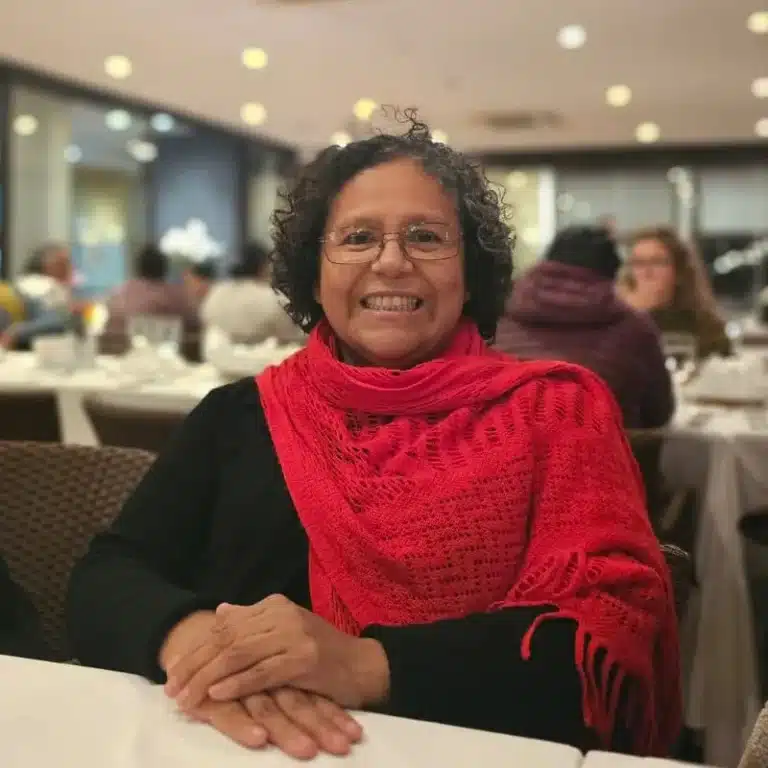
❛❛One of the biggest misconceptions is that gender violence is a women’s issue. It is everybody’s issue, men included, because men are most frequently perpetrators. In order to make a real difference, men need to become allies for change among their own peers. Violence against women is also structural. Not having proper protections against workplace harassment, not having access to safe contraception and abortion are also forms of violence against women. We need everybody for this to change.❜❜
Elsa María Arroyo Hernández

Elsa María Arroyo Hernández

Mexico
2021-2022 VAV Fellow

MUDECI is a Mexican nonprofit organization focused on empowering women at the grassroots level to lead community development and advocate for political accountability. Founded in 2013, MUDECI supports women through initiatives like urban gardens for food secuity, economic independence projects, and the “Brigadas Violeta” program, which offers legal and psychological support to women facing violence.

Elsa María Arroyo Hérnandez is a seasoned social leader with over 30 years of experience in advancing gender equality and human rights. She has been instrumental in empowering women through grassroots organizations like Urban@s and the Consejo Ciudadano de Mujeres del Distrito Federal. Currently, she serves as the Legal Representative of Mujeres, Democracia y Ciudadanía A.C. and is actively involved in international networks. Her expertise has been recognized globally, with speaking engagements at prestigious international forums.

What does 16 Days of Activism mean to you?

❛❛Para mi son una oportunidad para levantar la voz en contra de la violencia hacia a las mujeres y las niñas de manera sincronizada en todo el mundo.

For me, it is an opportunity to raise our voices against violence against women and girls in a synchronized way all over the world.❜❜

What misconceptions around GBV do you see in your work?
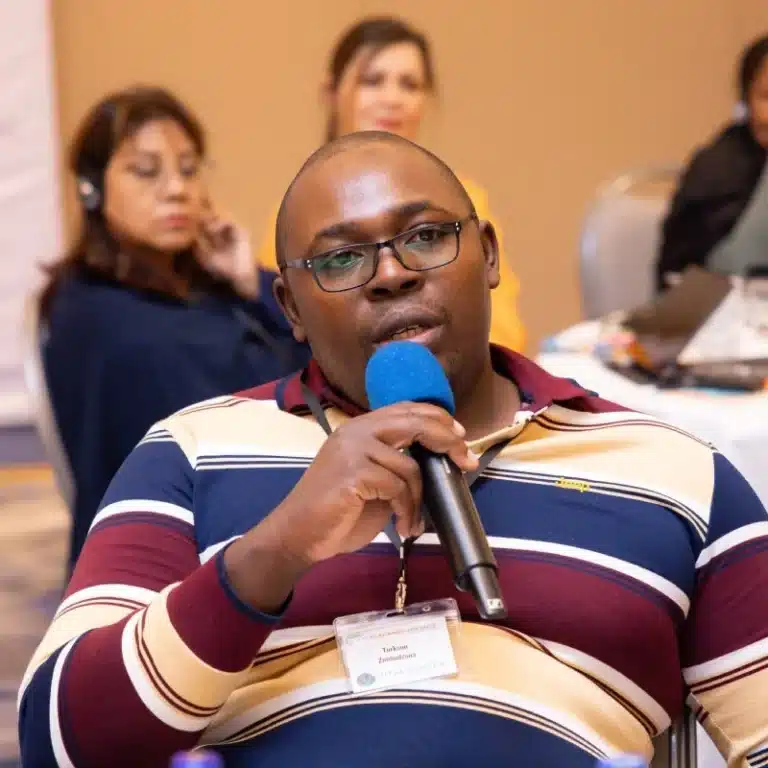
❛❛La gente regularmente piensa que las mujeres no salen de una relación violenta porque no quieren, incluso se atreven a decir que están allí porque les gusta. People regularly think that women don’t get out of a violent relationship because they don’t want to, even going so far as to say that they are there because they like it.❜❜
Turkson Zimbudzana

Turkson Zimbudzana

Zimbabwe
UAF partner, VAV Bridge, Justice Institute

The Ability in Disability Trust (TAD) is a grassroots organization dedicated to empowering young people with disabilities, particularly women and girls. Founded by a group of young people with disabilities, TAD aims to build their autonomy and socio-economic capacity.

Turkson Zimbudzana, a passionate advocate for disability rights and gender equality, has spent his career empowering youth with disabilities, particularly girls and women. Raised in Harare, Zimbabwe, he has worked with numerous NGOs and community groups to promote awareness and provide support to vulnerable populations. His advocacy efforts extend to international platforms, where he addresses the unique challenges faced by people with disabilities. Notably, he established a community-based initiative to support survivors of gender-based violence, offering counseling, legal aid, and essential services.

What does 16 Days of Activism mean to you?

❛❛It’s an international campaign that we have to join hands across the globe in raising awareness on GBV in communities and campaigning to stop violence against all women inclusive of those with disabilities.❜❜

What misconceptions around GBV do you see in your work?
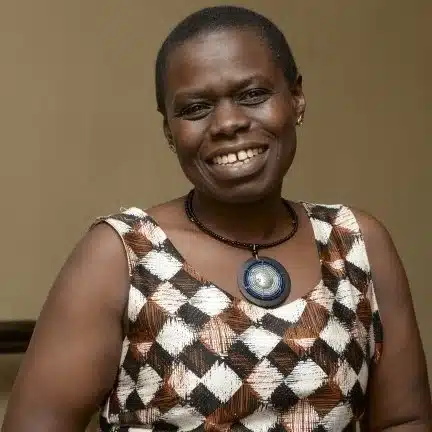
❛❛Misconception: Violence only affects certain groups of women, the able-bodied women.❜❜
Jane Anyango Odongo

Jane Anyango Odongo

Kenya
VV LEAD 2014 – 2015; VV100

Polycom Girls, originally known as Polycom Development Project, is a Kenya-based, women-led organization dedicated to empowering adolescent girls and women, especially in marginalized communities like Kibera. Established in 2004, Polycom Girls address issues of gender-based violence, sexual and reproductive health, and economic empowerment through community driven initiatives. The organization also advocates for women’s leadership, economic justice, and peace building, working closely with schools, community leaders, and other organizations to foster sustainable change.

Jane Anyango is a powerful force for good in Kibera, the largest slum settlement in Sub-Saharan Africa. Witnessing the vulnerability of adolescent girls to sextortion, Jane became a community organizer over 20 years ago. She founded Polycom Development Project, a grassroots organization that has grown into a national NGO championing women’s rights and well-being in Kenya. Through her “GPende” (love yourself) slogan and tireless efforts, she has empowered countless women and girls. Jane’s leadership extends beyond Kibera, as she serves as a national coordinator and SDG 11 lead for various organizations. Her dedication to social justice has earned her prestigious awards, including the Vital Voices Global Leadership Award and the Female Wave of Change “Leading Change for Good” Award.

What does 16 Days of Activism mean to you?

❛❛16 Days of Activism is a global campaign to raise awareness of violence against women and girls. It’s a time to unite against this pervasive issue, reflect on its various forms, and advocate for change. It’s an opportunity for everyone to support survivors and create a world free from gender-based violence.❜❜

What misconceptions around GBV do you see in your work?
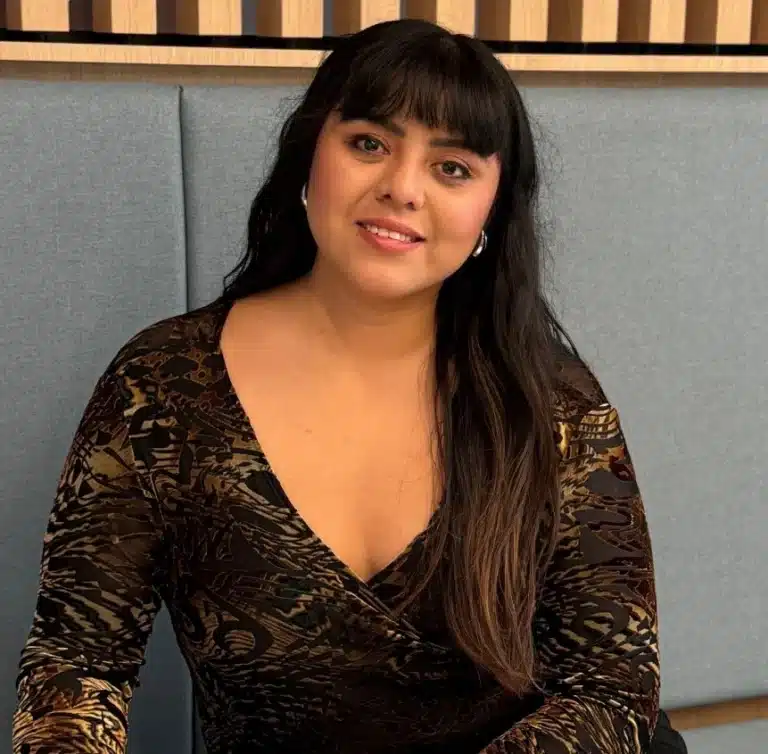
❛❛When a man loves you, he must beat you! This is a misconception which we have delt with for a long time, it is very hard for most women to report intimate partner violence because they think it is love and unfortunately many have lost their lives because of this.❜❜
Ursula Amaranta Martínez Barrueta

Ursula Amaranta Martínez Barrueta

Mexico
Voices That Inspire 2022

Violeta Botiquin is a Mexican initative that offers “first aid” emotional and legal resources specifically tailored for women experiencing gender-based violence. The platform provides accessible tools to help women reconnect with their strength and navigate their emotional well-being. Violeta includes educational videos, directories for psychological and legal support, and detailed guidance on recognizing the different types of violence.

Ursula Amaranta Martinez is a dedicated advocate for gender equality and human rights, she is a lawyer, legislative advisor, and the founder and director of Botiquín Violeta. She specializes in designing and implementing public policies to address gender-based violence. Recognizing the importance of emotional health for survivors, she has worked tirelessly to ensure access to essential services, including legal aid and counseling. Through Botiquín Violeta, she has developed a groundbreaking methodology to help women identify signs of domestic and sexual violence. Additionally, she has spearheaded a legal and political strategy to recognize unpaid care work within the System of National Accounts, collaborating with feminist collectives and civil society organizations.

What does 16 Days of Activism mean to you?

❛❛It is also a meeting point for women, organizations, and activists who are working intensely within our communities. We strengthen our networks of support and collaboration, allowing us to share experiences, strategies, and knowledge that enhance our collective efforts, creating a transformative force that crosses borders and sectors.❜❜

What misconceptions around GBV do you see in your work?
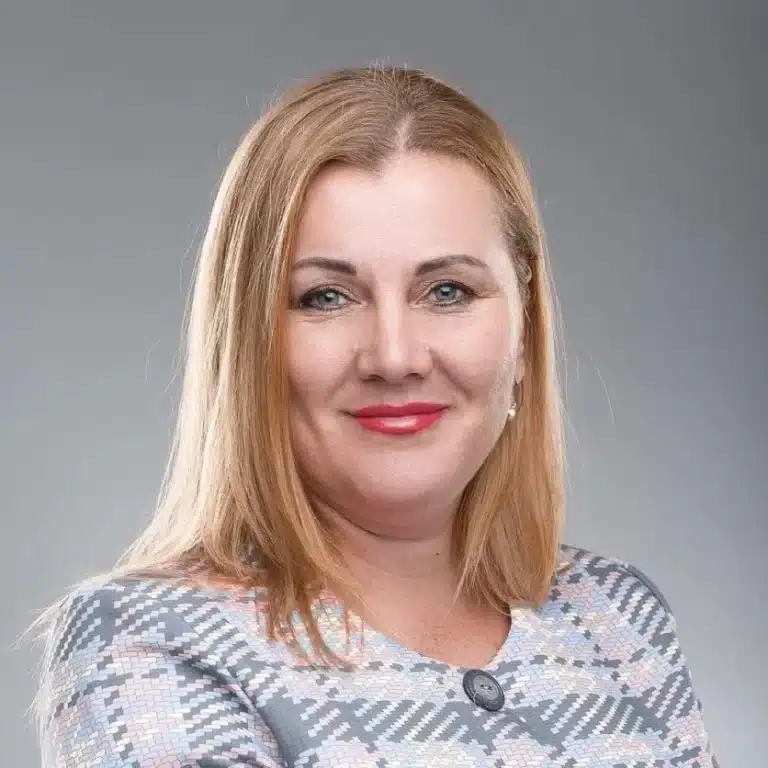
❛❛As an organization, we have worked hard to help women recognize if they are experiencing violence by using our tool, the Violet Test at https://violetabotiquin.com/test/, and we also help them identify places where they can file a report at https://violetabotiquin.com/denuncia/. Our reporting platform serves as a guide that facilitates access to the institutions and resources necessary for women to assert their rights safely. We know that one of the biggest barriers is the lack of knowledge about the proper channels to seek help, so we are working hard to break down that obstacle.❜❜
Antonina Shostak

Antonina Shostak

Ukraine
Social support and advocacy for vulnerable internally displaced families in Zaporizhzhiya city and region (2022 year)

Egida-Zaporizhzhya is an organization committed to supporting civilian in illegal detention. The organization offers legal services, psychological services, and social services to victims and their families. In addition, they partner with local organizations to provide comprehensive support.

Since 2012, Antonina has served as the Chairwoman of the Board of EGIDA-ZAPORIZHZHYA, a public human rights organization. During her tenure, the organization has implemented approximately 51 projects to support women affected by violence and human trafficking. She has personally represented the interests of nearly 70 injured women in legal proceedings. In recognition of her dedication and achievements, Olena was awarded the “Order of Honor” by the Executive Committee of the Zaporizhia City Council in 2024. Additionally, she received an honorary degree from the National Association of Lawyers of Ukraine in December 2023.

What does 16 Days of Activism mean to you?

❛❛Society begins with everyone! The 16 days campaign against violence for me personally is to challenge the stereotypes that lead to gender inequality, as well as to inform women and men about the forms of violence, the legal qualification of such cases, sanctions against people who commit violence and protection measures for victims.❜❜

What misconceptions around GBV do you see in your work?
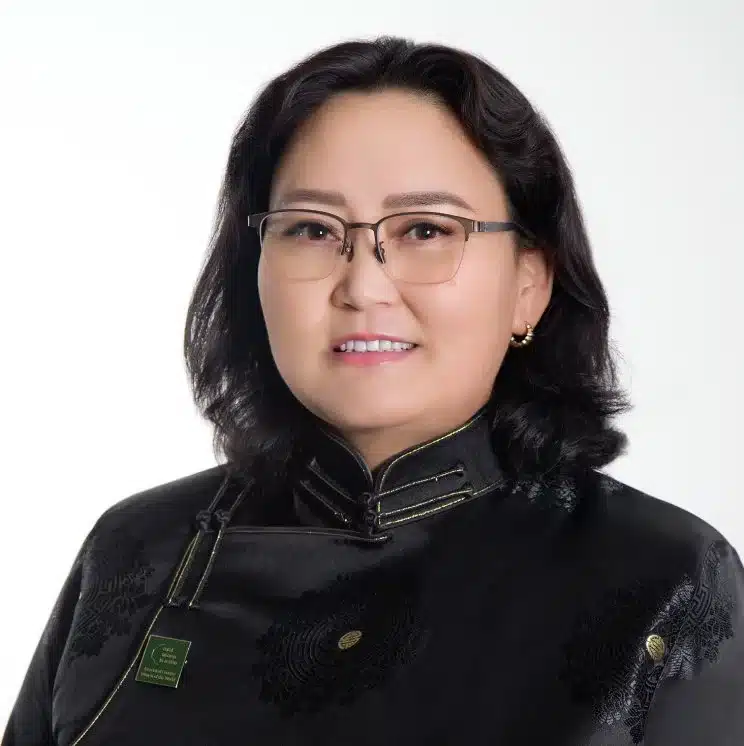
❛❛Gender stereotypes lead to gender violence❜❜ Antonia
Uugan – Erdene Tugrug

Uugan – Erdene Tugrug

Mongolia
UAF partner

Sain Tus Development Bridge NGO, founded in 2005, empowers women and addresses gender-based violence in Nepal. Through capacity building, legal support, and economic initiatives, the organization enhances women’s rights, economic independence, and community safety. Key programs include the Women’s Empowerment Summit and projects supporting survivors of domestic violence with skills training and income generation through agriculture.

Uugan Erdene Tugrug is a seasoned development professional with over 22 years of experience working on rural poverty reduction, income generation, indigenous rights, gender equality, and environmental sustainability in the Western Region of Mongolia. Her work has focused on empowering women and girls, protecting the rights of people with disabilities, and addressing issues such as gender-based violence, climate change, and food security. Through her efforts, she has contributed to achieving several Millennium Development Goals and Sustainable Development Goals.
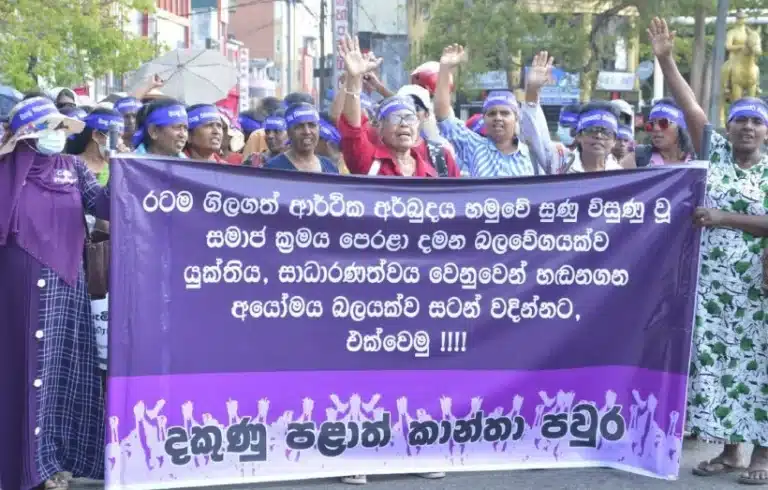
Rural Women’s Front

Rural Women’s Front

Sri Lanka
UAF Partner, VAV Bridge

The Rural Women’s Front (RWF) is a Sri Lankan NGO established in 1988 to empower marginalized rural women. Recognizing the limitations of top-down development approaches, RWF focuses on community-led initiatives. For over three decades, the organization has implemented programs to raise awareness, build capacity, and empower women through various initiatives.

Quotes:

❛❛Break the silence, and end the violence against women.❜❜ Executive Director/ Rural Women’s Front-Sriyani Pathirage

❛❛Only Together, can we create a world where women and girls are free from fear.❜❜ Media Advisor/ Secretary – Vineetha Gamage

❛❛If you empower women, you also empower humanity.❜❜ Finance and Administrative Officer- Nisansala Gamage

What does 16 Days of Activism mean to you?

❛❛The 16 Days of Activism is a global campaign dedicated to combating the systemic oppression of women. By raising awareness, inspiring action, and amplifying the voices of women, this 16-day period challenges societal norms and advocates for justice.❜❜

What misconceptions around GBV do you see in your work?
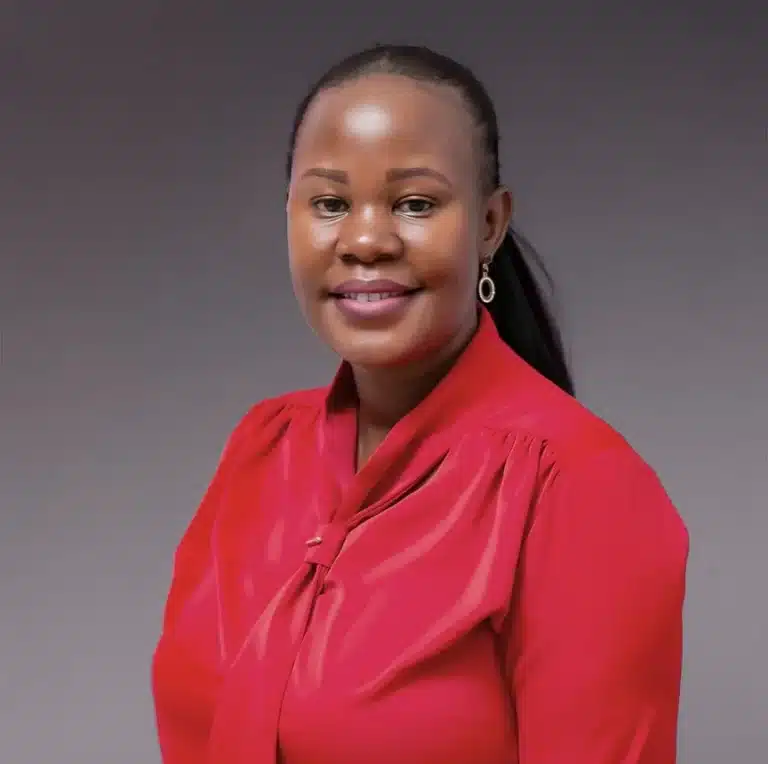
❛❛The harmful belief that domestic violence is a private matter prevents survivors from seeking help and perpetuates a culture of silence. This misconception, rooted in patriarchal norms, gives perpetrators a sense of entitlement. By challenging these harmful beliefs and advocating for legal reforms, we can create a society where violence against women is not tolerated.❜❜
Hellen Lukunse

Hellen Lukunse

Uganda
UAF partner, Global Leadership Award, 2023, 2022 VV VISIONARIES

The Rape Hurts Foundation is a nonprofit organization in Uganda dedicated to supporting survivors of rape and gender-based violence, particularly in rural areas like Jinja and Kamuli. Founded in 2008, RHF provides comprehensive assistance, including legal aid, healthcare, trauma support, and economic empowerment programs to help women and children rebuild their lives.

Hellen Lunkuse is a fearless human rights defender who advocates for women, girls, and marginalized communities in Uganda. As the Founder and Executive Director of Rape Hurts Foundation, she leads a team of dedicated activists who support survivors of gender-based violence to pursue justice, recover and rebuild. Her holistic approach to addressing and preventing gender-based violence has reached more than 850,000 people over the last ten years. Hellen connects survivors with emergency services, runs community awareness campaigns about women’s rights, and creates access to education and employment opportunities. A survivor herself, Hellen is a courageous and committed voice for human rights, inclusion, and women’s empowerment.

What does 16 Days of Activism mean to you?

❛❛For me, 16 Days of Activism is a global moment of solidarity—a time to unite voices and amplify the stories and struggles of survivors of gender-based violence (GBV). It serves as a reminder that the fight against GBV requires collective action, persistent awareness, and commitment beyond these 16 days. At Rape Hurts Foundation (RHF), it represents a focused period to further empower women and children, advocate for legal and social reforms, and engage communities in creating safer environments.❜❜

What misconceptions around GBV do you see in your work?
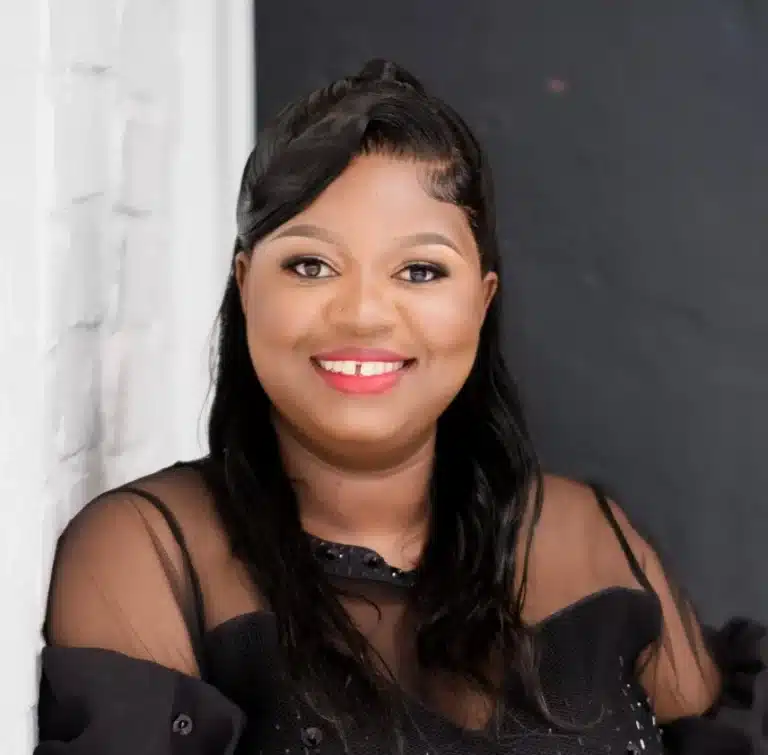
❛❛One of the biggest misconceptions we encounter in our work is that GBV is purely a domestic or private issue, rather than a systemic societal problem. Many still view it as something that occurs within families, without recognizing how deeply it’s rooted in broader issues like poverty, gender inequality, and power imbalances. Another common misconception is the belief that survivors can “just leave” abusive situations easily. In reality, many women and children are trapped by economic dependency, societal stigma, and the lack of safe support systems. Lastly, there’s a persistent narrative that certain behaviors—like the way a person dresses or behaves—invite violence, which shifts the blame onto the victim instead of holding the perpetrator accountable. At RHF, we work to dispel these myths and educate communities on the true nature of GBV, while providing tangible support to those affected.❜❜
Angeline Makore

Angeline Makore

Zimbabwe
Vital Voices Leadership Fellowship (VVLEAD), UAF partner

Established in 2013, Spark R.E.A.D is a non-profit organization working to address the challenges faced by girls and young women living in disadvantaged communities in Zimbabwe. The organization focuses on sexual and reproductive health and rights, gender equality, harmful practices and education.

Angeline Makore is a passionate youth activist dedicated to ending violence against women and girls. She has been recognized for her work in menstrual health and youth empowerment. As the founder and coordinator of SparkREAD, she empowers young people to create positive change. Her dedication to building sustainable and equitable communities makes her an asset in the fight for gender equality and youth empowerment.

What does 16 Days of Activism mean to you?

❛❛16 days of activism is a movement that signifies a global commitment to combat violence against women and children, for me it is a great deal because; it is the time when different campaigns from across the world are running with one goal which emphasizes that gender based violence is a fundamental human rights violation. As an activist running a grassroots organization during the 16 days of Activism against GBV, we collectively collaborate to challenge detrimental societal norms, holistically support survivors and advocate to improve legislative processes that creates a safer and secure environment for women and girls.❜❜

What misconceptions around GBV do you see in your work?
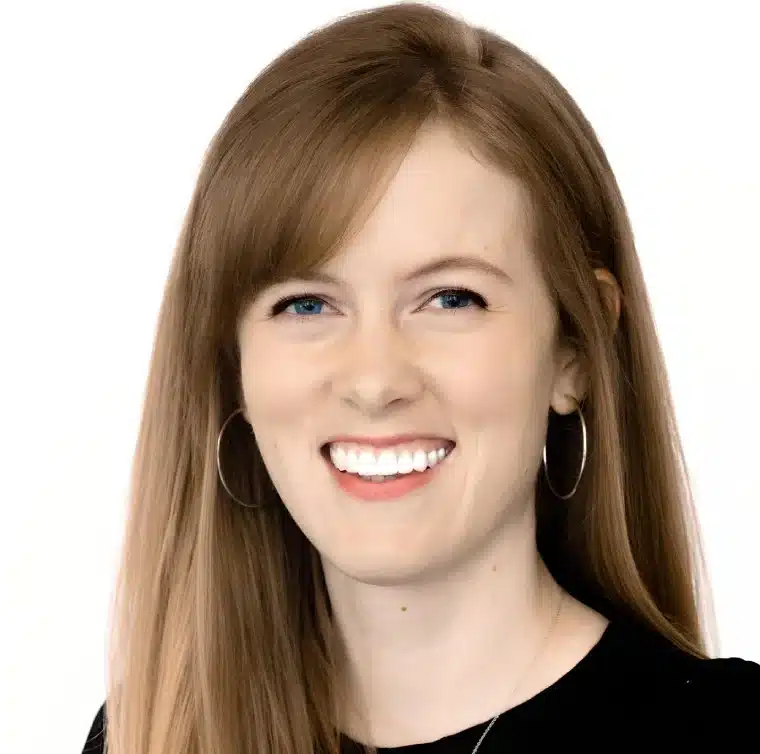
❛❛In my line of work, misconceptions about GBV often obscure the realities of its impact, one of the myths is that GBV is only physical abuse. However, gender-based violence encompasses financial abuse, psychological and emotional abuse as well as sexual violence and not just physical violence alone. Through my advocacy work against GBV, people often misunderstand my work and call me a misandrist, yet all I try to do is dismantle the entrenched patriarchal structures that perpetuates violence.❜❜
Laura Hackney

Laura Hackney

US
AnnieCannons was featured in the Vital Voices Global Partnership naming our co-founder and former CEO, Jessica, as one of their “100 Women Using Their Power to Empower”

AnnieCannons is a California-based non-profit that empowers survivors of human trafficking by equipping them with software development skills, helping them secure stable income and independence. Founded in 2015, the organization provides a trauma-informed coding boot camp, a development agency where graduates work on client projects, and an incubator for tech solutions addressing social issues. Through this model, AnnieCannons offers survivors practical skills but also pathways to long-term career growth. Post-COVID 19, the organization expanded its support to include remote learning tools and mental health resources, ensuring ongoing engagement and support.

Laura Hackney is a human rights advocate and full-stack software engineer from Atlanta, GA. She is the CEO and Cofounder of AnnieCannons, a national organization dedicated to training, preparing, and connecting individuals who have experienced human trafficking to sustainable careers in tech. Laura helped to build AnnieCannons’ Coding Training Program and develop AC’s internal portfolio of software products. Prior to AnnieCannons, Laura managed the Program on Human Rights at Stanford University’s Freeman Spogli Institute. She also worked as the Senior Research Associate for Stanford’s Anti-Trafficking Project in the Mekong Sub-Region and was a Program Associate for the Freeman Spogli Institute’s International Policy Implementation Lab. Laura is passionate about the intersections of human rights, technology, and education. She is based in Brooklyn, NY.

What does 16 Days of Activism mean to you?

❛❛The work to end gender-based violence is complex, nuanced, and a long-term effort. We need to approach this work as constant learners and as constant collaborators, in order to best serve our communities. 16 Days of Activism gives us all the chance to highlight and celebrate our wins, learn from other leaders in our space, and see how we can better contribute to our ecosystem of support. We all have talents we can contribute, and I am thrilled to see the work being presented over the next 16 days.❜❜

What misconceptions around GBV do you see in your work?
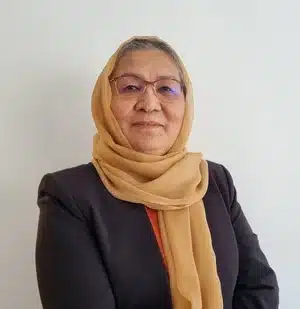
❛❛We see a lot of misconceptions around the potential and capacity of survivors of GBV. Especially in the anti-trafficking space, a lot of attention and focus is on crisis intervention, but there must be more support for survivors to be able to build the careers they want and to grow their financial independence. At AnnieCannons, we believe that if we elevate access to opportunities, survivors can build the lives they want and need to sustain freedom. Our work is also driven by everyone that joins our program: their aspirations, their intelligence, their trauma, their humor, their curiosity, their challenges, and their values. It all weaves together, charting the future of their design. Their intelligence can inform technological innovation through lenses of unique lived experiences and diverse perspectives. And as a community, we need to do all that we can to support these incredible innovations and innovators.❜❜
Habiba Sarabi

Habiba Sarabi

Afghanistan
Unifying Our Voices

Habiba Sarabi is a prominent Afghan politician, human rights advocate, and women’s rights activist. In 2005, she became the first woman to serve as a provincial governor in Afghanistan, leading Bamyan Province for eight years. Sarabi’s public service began as Minister of Women’s Affairs (2002-2004), following years of activism during the Taliban regime, where she worked to educate women and girls in refugee camps in Pakistan. She served as an advisor on women and youth to Dr. Abdullah Abdullah, later becoming Deputy to the Afghanistan High Peace Council in 2016. She also founded “Mothers of Peace,” a grassroots organization dedicated to peacebuilding across 22 Afghan provinces. Sarabi, a former member of the Afghan Government’s peace negotiation team with the Taliban, is a renowned advocate for women’s rights and peacebuilding. Her tireless efforts have earned her several prestigious awards, including the Ramon Magsaysay Award for good governance and girls’ education and the N-Peace Prize for her work in peacebuilding and gender equality.

What does 16 Days of Activism mean to you?

❛❛An opportunity to focus on raising awareness about the violence against women, GBV and its consequences to women and the society as a whole and reducing domestic violence.❜❜

What misconceptions around GBV do you see in your work?
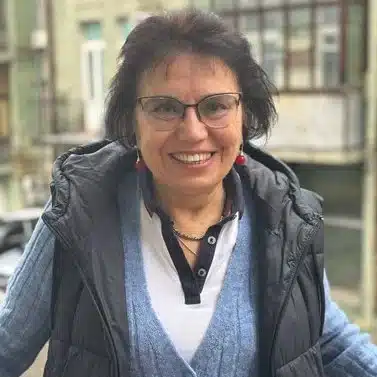
❛❛It is easy to assume that individuals experiencing GBV can leave abusive relationships or situations. However, victims may face numerous barriers, such as financial dependence, fear of retaliation, lack of support, cultural pressures, or threats to their safety. Lack of supportive environment, especially nonexistence of state laws and regulations, also cause perpetuation of GBV. In case of Afghanistan, not only there aren’t state sponsored shelters for the victims, but the space for civil society to create those shelters are diminishing. The victims have no hope to seek justice.❜❜
Oksana Horbunova

Oksana Horbunova

Ukraine
been in partnership with VV since 1997, Technical Institute, works on the ” Preventing and Combating GBV and CRSV in Ukraine” program

The NGO Resource Center (NGORC) founded, in 2018, is dedicated to supporting civil society and NGOs in Ukraine through advocacy, capacity building, crisis response, and information sharing. With a mission to address the immediate needs and build a sustainable future, NGORC strengthens civil society accountability and effectiveness. The center promotes values like collaboration, integrity, and human rights, working to create an enabling environment for NGOs and enhance cooperation with government bodies.

Born into a family of human rights activists in Kyiv, Ukraine, Oksana has dedicated her career in advancing women’s rights and combating human trafficking. She plays a pivotal role in establishing La Strada Ukraine, the country’s first counter-trafficking NGO. Her work with the UN Migration Agency involved developing international and national counter-trafficking legislation and supporting law enforcement agencies in implementing survivor-centered approaches. Since the Russian invasion, she has focused on addressing the surge in gender-based violence and crisis-related sexual violence. Currently, she is working with the NGO Resource Center to provide support to survivors and strengthen government institutions to protect them.

What does 16 Days of Activism mean to you?

❛❛Today Ukrainian brave fighters are protecting our independence on battle fields. Ukrainian human rights activists are working also to protect the future of Ukraine and the rights of Ukrainians to live in democracy and to live in the society which is free from any kind of violence. 16 Days of Activism mean for me the unity of women, man and children who are fighting together to protect survivors of the violence and their Human Rights.❜❜

What misconceptions around GBV do you see in your work?

❛❛Despite progress, misconceptions about gender-based violence (GBV) in Ukraine persist. Many people believe that: physical abuse is the only form of GBV: *his misconception overlooks psychological, emotional, and sexual abuse. Domestic violence is limited to low-income communities: * GBV can occur in all socioeconomic backgrounds. Love and violence coexist: *his harmful belief normalizes abusive relationships. Substance abuse is the sole cause of violence: *While substance abuse can be a factor; it is not the only cause of GBV. Victims are responsible for their abuse: *his victim-blaming mentality discourages survivors from seeking help. Furthermore, the impact of war on GBV is often underestimated. Sexual violence during wartime is a grave human rights violation, and survivors may face additional barriers to accessing justice and support. It is crucial to challenge these misconceptions and provide comprehensive support services to survivors of GBV. By raising awareness and promoting understanding, we can work towards a society free from violence.❜❜
WAVE

WAVE

Europe
Vital Voices Partner

2024 Marks the 30th anniversary of Wave, a network of over 180 European women’s NGOs. The WAVE Network (Women Against Violence Europe) is a prominent organization dedicated to addressing gender-based violence (GBV) across Europe. Established in 1994, the network unites various organizations, activists, and experts to enhance the response to GBV and advocate for women’s rights.

WAVE actively engages in international conferences, workshops, and forums to facilitate the exchange of knowledge and best practices among organizations worldwide, allowing for the adaptation of successful strategies tailored to different cultural contexts. The network advocates for stronger international norms and legal frameworks that protect women from violence, amplifying calls for unified action against GBV on the global stage.

Through its network, WAVE supports grassroots organizations in various countries, enhancing their capacity to address GBV and fostering sustainable change within local communities. In times of global crises—such as during the COVID-19 pandemic—WAVE has mobilized resources and shared critical information to help organizations respond to the surge in violence, highlighting its commitment to protecting vulnerable populations regardless of geographic boundaries.

❛❛In ‘94, the United Nations Preparatory Conference for the European region for the Beijing conference in ’95 took place in So that was a good occasion to meet. And that’s the first time we sat down and we said, Okay, let’s try to form a network. That was another interesting part of the foundation of WAVE, that it was to connect to the Beijing conference.❜❜ Rosa Logar, WAVE co-founder (Austria)

❛❛The whole idea was to put together a directory to write them down, all the women’s organizations on the feminist principles that work directly with women. In the beginning, we all had to call them. I mean, whoever was organizing, you had to call one by one. Having this idea at that time without the Internet in ‘94, you could not just Google anything, to collect all our women’s and feminists organizations in all these countries. I mean, this is really crucial for our work because really, we who work with women directly, we cannot be in our organizations isolated from other organizations.❜❜ Lepa Mladenovic, WAVE co-founder (Serbia)

❛❛We are members of the WAVE Network for a long time now. Many of the moments that we shared as being a member are related to the fact that we are not alone anymore, that you feel protected, that you are part of a larger scale network, that somebody from another country, from so many countries actually, feel your pain, understand your problem, and some of them actually have solutions for your problem.❜❜ Simona Voicescu, Necuvinte (WAVE member, Romania)

What does 16 Days of Activism mean to you?

❛❛For WAVE, the 16 Days of Activism Against Gender-Based Violence is a powerful period of reflection and action. It is a time when we emphasise our unified commitment and shared engagement to ensure that women and girls, in all their diversity, live free from violence. This year, it resonates even more deeply as we celebrate 30 years of collective efforts dedicated to preventing and addressing violence against women and girls (VAWG). Through this campaign, we channel our combined energy and resources, not just within WAVE but also alongside those who stand united in our mission for a violence-free world, into raising awareness, fostering solidarity, advocating for safety, and tackling the root causes of VAWG, to create a future where preventing violence before it occurs is not only possible but is the norm.❜❜

What misconceptions around GBV do you see in your work?

❛❛One common misconception we see in our work is that violence against women and girls (VAWG) is often viewed as an isolated issue or as the result of individual actions, rather than as a deeply rooted societal issue tied to systemic inequalities and power imbalances. Additionally, there is a misconception that only physical violence qualifies as VAWG, while other forms like psychological, economic, or digital violence are often overlooked or minimized. It is crucial to address these misconceptions for creating comprehensive responses that acknowledge the complexity of VAWG and focus on prevention, support for survivors, and long-term change.❜❜

Vital Voices’ 16 Days of Activism Podcast

Welcome to Vital Voices’ 16 Days of Activism podcast conversation series. Join us as we amplify the voices of extraordinary women leading the charge against gender-based violence (GBV). This series shines a spotlight on advocates who are championing solutions to support survivors and drive meaningful change. Through powerful conversations, we share the stories of women who have devoted their lives to supporting survivors and breaking cycles of violence. At the same time, we celebrate the impact of Vital Voices’ Voices Against Violence Program, featuring the incredible women behind its implementation. This podcast series is more than a conversation—it’s a call to action. Together, we aim to raise awareness, inspire collective action, and spark innovative strategies to prevent and address GBV.
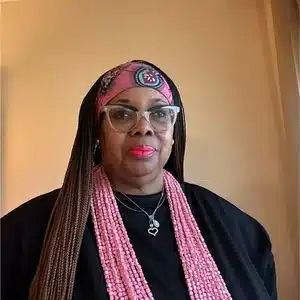
Stephanie Love-Patterson

Stephanie Love-Patterson

We’re thrilled to sit down with Stephanie Love Patterson, the esteemed President and CEO of the National Network to End Domestic Violence (NNEDV). With over 25 years of dedicated service, Stephanie has been a tireless advocate for survivors of domestic violence. We’ll delve into her experiences, insights, and vision for a future free from domestic violence.

Stephanie Love-Patterson is a dedicated advocate for survivors of domestic violence, with over 25 years of experience in the field. She currently serves as the President and CEO of the National Network to End Domestic Violence (NNEDV), a position she assumed in June 2024.

Prior to her role at NNEDV, Stephanie was with Connections for Abused Women and their Children (CAWC) in Chicago for nearly 25 years, serving the last ten years as their Executive Director. Throughout her career, Stephanie has been recognized for her commitment to ending domestic violence and supporting survivors. Her leadership and advocacy have made significant impacts on the organizations she has led and the communities they serve.

Kara Pyles

Kara Pyles

Join us for a conversation with the Director of Prevention and Response Initiatives. Kara will share her invaluable insights on managing the Voices Against Violence Initiative, particularly the Urgent Assistance Fund program, which has provided critical support to over 4,000 survivors of gender-based violence. Learn about the challenges and triumphs of this vital program and how it has made a tangible difference in the lives of countless women and girls.

Kara Pyles is the Director of Prevention and Response Initiatives for the Regional Engagement Impact team at Vital Voices. She primarily focuses on managing the Voices Against Violence initiative as well as the Secretary’s Office of Global Women’s Issues (S/GWI) Ukraine program. Prior to joining Vital Voices, Kara worked for a grassroots non-profit agency that provided advocacy, support services and emergency shelter to survivors of intimate partner violence, sexual assault, human trafficking and stalking. She worked directly with survivors of GBV, providing crisis hotline coverage, peer-based counseling, court advocacy, hospital accompaniment and other crisis intervention.
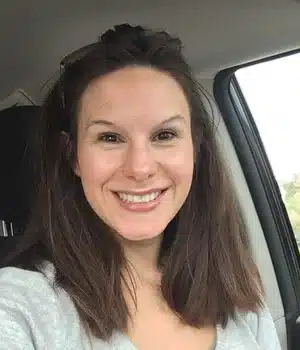
Tania Brandt and Erin Catillo

Tania Brandt and Erin Catillo

Join us for a conversation with a dedicated direct service provider from the DMV area. Hear firsthand about the challenges and triumphs of working directly with survivors of gender-based violence. Learn about the critical services they provide, the impact of their work, and the systemic changes needed to create a safer world for all.

Tania Brandt is a family service specialist at the Domestic Violence Program in Alexandria, where she plays a crucial role in supporting survivors of intimate partner violence. Working directly within a safehouse, Tania creates safe and secure environments for individuals and their families requiring emergency shelter. She provides crisis hotline coverage, court advocacy, and other crisis interventions.

Erin Catillo is a senior residential counselor with the city of Alexandria’s domestic violence program and works primarily out of the DV shelter with residents assisting them with their basic needs, as well as taking hotline calls from the 24 hour hotline and providing emotional support and crisis counseling to domestic violence survivors in the city of Alexandria. She is currently pursuing her Master’s in Social Work with a concentration in interpersonal violence and trauma and graduates in 2025.
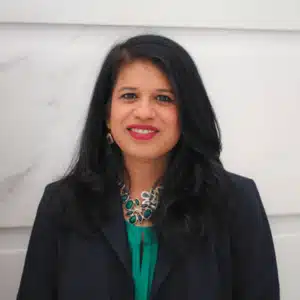
Saba Ghori

Saba Ghori

Join us as we sit down with the VP of Regional Engagement and Impact to discuss her 15 years of experience advocating for women’s rights. She will share insights into the Voices Against Violence initiative, one of Vital Voices’ largest programs, and its impact on empowering women and girls globally.

Saba is the Vice President of the Regional Engagement Impact team, overseeing human rights and gender-based violence portfolio. With over 15 years of experience at organizations like Women for Women International, Saba has been a dedicated advocate for women’s rights, focusing on social empowerment, women’s leadership, sexual and reproductive health, and addressing violence against women.

Types of Gender-Based Violence

Gender-based violence (GBV) impacts millions globally, with one in three women experiencing physical or sexual violence in their lifetime. GBV is any harm or suffering directed at individuals based on their gender, disproportionately affecting women, girls, and marginalized communities. It can include physical, sexual, emotional, psychological, and economic violence, which often overlap and reinforce one another, creating a complex cycle of harm that affects multiple aspects of a person’s life and well-being. GBV takes various forms that deprive individuals of their human rights and dignity. Here’s a breakdown of the 16 types of GBV.

Physical Violence

Physical violence refers to the intentional use of force against an individual, causing injury or harm. This form of violence disproportionately affects women and girls, often manifesting in domestic abuse, sexual assault, and other harmful acts, leading to serious physical injuries and long-term psychological effects.

Sexual Violence

Physical violence refers to the intentional use of force against an individual, causing injury or harm. This form of violence disproportionately affects women and girls, often manifesting in domestic abuse, sexual assault, and other harmful acts, leading to serious physical injuries and long-term psychological effects.

Psychological / Emotional

Physical violence refers to the intentional use of force against an individual, causing injury or harm. This form of violence disproportionately affects women and girls, often manifesting in domestic abuse, sexual assault, and other harmful acts, leading to serious physical injuries and long-term psychological effects.

Physical Violence

Physical violence refers to the intentional use of force against an individual, causing injury or harm. This form of violence disproportionately affects women and girls, often manifesting in domestic abuse, sexual assault, and other harmful acts, leading to serious physical injuries and long-term psychological effects.

Human Trafficking

Human trafficking involves the exploitation of individuals through coercion, deception, or force for purposes such as forced labor, sexual exploitation, or involuntary servitude. Women and girls are disproportionately affected by trafficking, often facing severe physical and psychological harm, and it perpetuates cycles of abuse and vulnerability within communities.

Honor-Based Violence

Honor-based violence refers to acts of violence committed against individuals, often women and girls, to protect or restore the perceived honor of a family or community. This violence can take various forms, including physical abuse, forced marriage, and even murder, and is rooted in cultural beliefs about gender roles and family reputation.

Femicide

Femicide is the intentional killing of women and girls because of their gender, often rooted in systemic gender inequality and societal norms that devalue female lives. This form of violence can take many forms, including domestic violence, sexual violence, and so-called “honor killings,” and it reflects broader issues of misogyny and discrimination in society.

Cyber Violence

Technology-facilitated GBV (TFGBV) – often referred to as cyber violence or online abuse – refers to harmful acts directed at women and girls through digital platforms, including harassment, stalking, and the dissemination of threatening or abusive content. This form of violence can have profound emotional and psychological effects, exacerbating feelings of fear and isolation, and often limits their ability to engage freely and safely in online spaces.

Intimate Partner Violence (IVP)

One of the most common forms of GBV, intimate partner violence involves violence inflicted by a current or former spouse. This abuse can be physical, emotional, psychological, sexual, or economic, and it often seeks to establish power and control over the other partner. IPV can affect anyone, regardless of age, gender, sexual orientation, or socioeconomic status, and it can have severe and lasting effects on the victims’ physical and mental well-being.

Child Marriage

Child marriage refers to the practice of marrying individuals, typically girls, before the age of 18, often without their full consent. This harmful practice can lead to a range of negative consequences, including interrupted education, increased health risks during pregnancy and childbirth, and a higher likelihood of experiencing domestic violence, ultimately limiting the opportunities and autonomy of young women.

Reproductive Coercion

Reproductive coercion refers to behaviors that interfere with an individual’s reproductive autonomy, such as sabotaging contraceptive methods or pressuring a partner to become pregnant against their wishes. This type of coercion often occurs in the context of intimate partner violence.

Stalking

Stalking is a pattern of repeated, unwanted attention and contact that causes fear or distress to the victim. This behavior can include following, monitoring, or harassing an individual, and it often escalates over time, leading to serious emotional and physical consequences for those targeted.

Sexual Harassment

Sexual harassment refers to unwelcome and inappropriate sexual advances, comments, or behaviors that create a hostile or intimidating environment. This harmful behavior can lead to significant emotional distress, decreased confidence, and barriers to participation in education and the workplace, ultimately undermining the safety and autonomy of women and girls.

Female Genital Mutilation (FGM)

FGM/C, also known as female circumcision, is the practice in which a female is subjected to a procedure involving partial or total removal of the external female genitalia or other injury to the female genital organs for nonmedical reasons, whether committed within or outside of a medical institution. FGM is a part of the coming-of-age ritual for women in some cultures, but it is performed on girls of all ages, from infants to adults.

Sexual Exploitation

Sexual exploitation involves exploiting individuals, often through coercion or manipulation, to engage in sexual activities for financial or personal gain. This form of violence primarily impacts women and girls, resulting in significant physical and emotional harm, while also reinforcing cycles of abuse, poverty, and societal stigma.

Forced Prostitution

Forced prostitution involves compelling an individual to engage in commercial sexual activities against their will, often through coercion, manipulation, or violence. This form of exploitation is a severe violation of human rights and is closely linked to human trafficking and other forms of gender-based violence.